

What a couple gets depends on the photographer’s approach, venue light, and how the ceremony unfolds. This article explains what gets captured, how different photo styles change results, and what to expect.
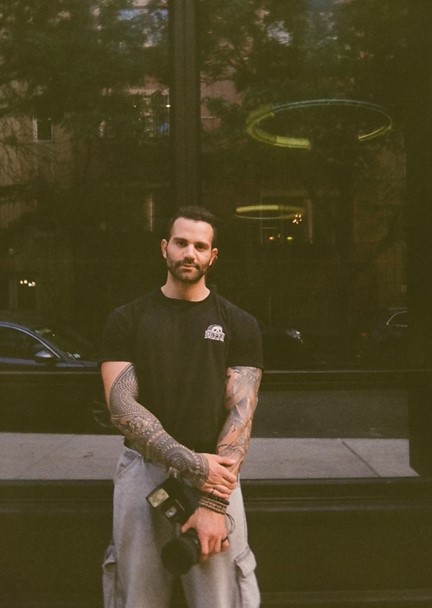
This article comes from Momento Lehr Photography, led by photographer and creative director Edahn Lehr. With a background in documentary photography, concert photography, sports coverage, and fast-moving settings, he brings that style to wedding coverage.
Key Takeaways
- Wedding ceremony photos document the full event from pre-ceremony setup through the couple’s exit, capturing the processional, vows, ring exchange, reactions from family members, and candid moments. Every wedding ceremony looks different, and the photos reflect the specific place, timing, and people involved.
- The photographer’s approach shapes the final images significantly – documentary coverage captures moments as they happen without direction, while naturally directed portraits use light guidance to improve shots. Venue lighting and timing are equally critical, as most meaningful moments last less than two seconds and require anticipation to capture.
- A one-hour ceremony typically produces 100 to 200 edited photos, with longer or culturally complex ceremonies producing more. Understanding how a wedding photographer moves through the space, uses a ceremony photoshoot window, and adapts to different ceremony types helps couples set realistic expectations for their coverage.
- Detail shots of elements like the bouquet, rings, and venue setup matter because they document choices couples spent months planning. Reactions from family members and important people often carry as much meaning to a couple as photos of themselves, since they never get to witness these moments as they happen.
- A second shooter expands coverage significantly by capturing the wedding party, fun photos of guest reactions, and party photos from across the room simultaneously. Shot lists help identify key family members to ensure their faces get captured, but keeping the list short leaves room for unplanned candid moments that often become the best wedding pictures.
What Wedding Ceremony Photos Include
Ceremony pictures cover the full ceremony, from pre-ceremony setup to the couple’s exit. This includes the processional, vows, ring exchange, first kiss, and candid moments in between. It also includes ceremony pictures of important people – parents, grandparents, the bridal party, and guests reacting in real time.
Every wedding ceremony looks different, and the photos reflect the specific place, timing, and people involved.
The Ceremony – Moment by Moment
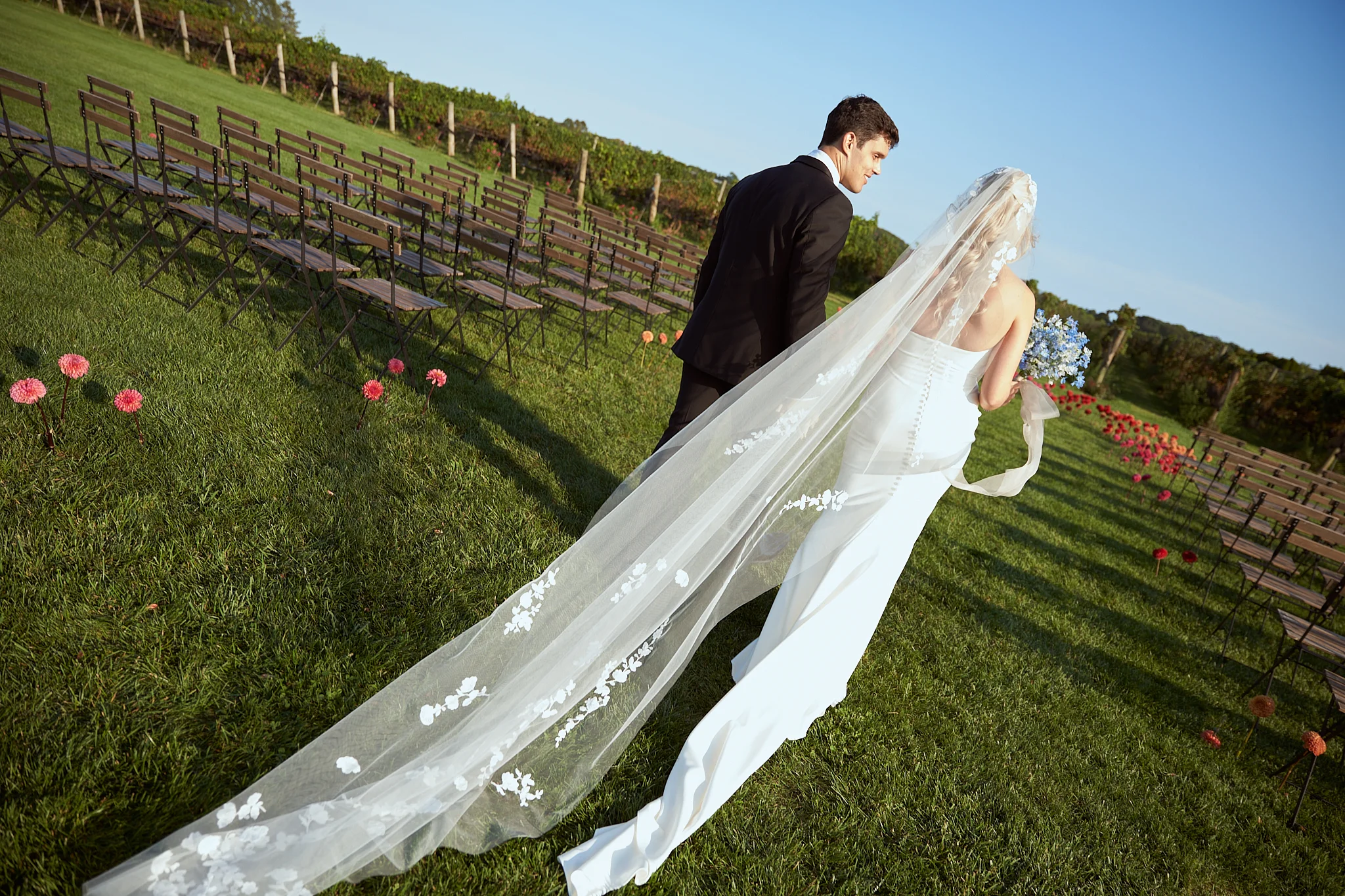
A wedding ceremony moves fast. The special moments that matter most often last just seconds. Below is what usually gets captured, in order.
The Ceremony Site Before Guests Arrive
Before the ceremony starts, the space tells part of the story. I arrive early to photograph the setting – chairs, light, flowers, and small details couples spent months planning. These ready photos show the venue before guests fill the seats and give context to everything that follows.
I also take close-up shots of the bouquet, rings, and other details that won’t be visible once the ceremony starts. These detail photos give couples a record of choices they planned, even if unnoticed in the moment.
The Processional and Aisle Walk
The processional shifts the ceremony from waiting to action. The wedding party walks first, then the bride appears. I position myself to catch both her walk down the aisle and the faces watching.
The groom’s reaction is one of the most important wedding moments of the day – it happens once and doesn’t repeat. Being in the right spot before it happens is the only way to catch it.
Before the bride appears, the flower girl and ring bearer often walk the aisle first. These moments tend to be unscripted and unpredictable – a nervous smile, a missed step, a wave to family. I stay ready for these honest moments since they rarely repeat if missed.
Vows, Ring Exchange, and the First Kiss
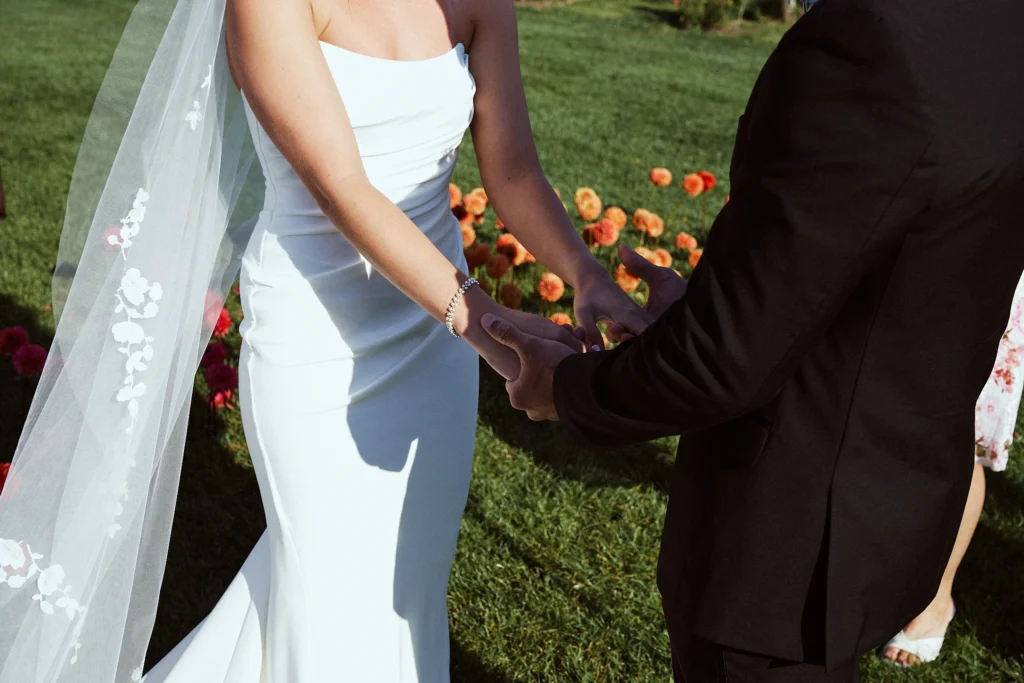
This is the heart of the ceremony. The couple faces each other, often holding hands. Their expressions shift as they say vows. I stay close enough to catch small details- hands, faces, the wedding dress- without getting in the way. When the first kiss happens, the whole room reacts at once, so I need to catch both the couple and guests simultaneously.
Reactions – The Couple, Family, and Guests
People watching react in honest ways. A parent holds back tears. A sibling smiles without noticing. These reactions often mean as much to a couple as ceremony pictures of themselves, offering a quieter view of love they never saw happen in the moment. I move through the room during the ceremony to catch family members and important people while reactions are still happening.
Walking Out and Post-Ceremony Moments
Once the ceremony ends, the couple walks back up the aisle together. Guests clap and gather around them. The mood shifts right away. Many couples share a celebratory moment, often turning to the crowd with hands raised. I stay ready for this spontaneous reaction since it happens fast and without warning.
Guests then move in to congratulate the couple directly. These exchanges – hugs, handshakes, quick words – often carry as much warmth as anything captured earlier. These moments often become some of the best wedding pictures of the day, and this window closes fast.
What Makes Beautiful Wedding Pictures
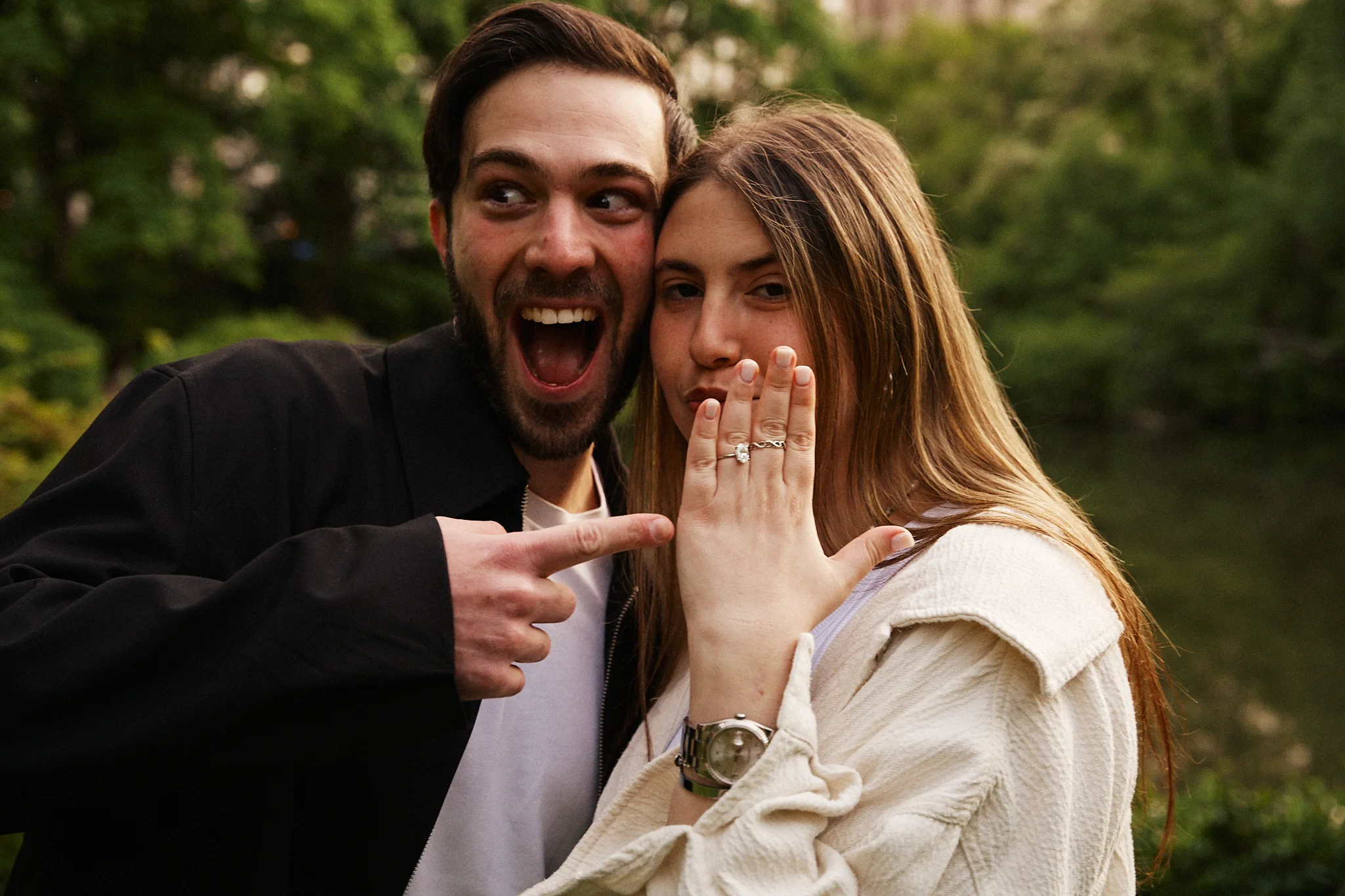
Strong ceremony photos come from planning, not luck. Two things shape the result more than anything else.
Light, Timing, and Anticipation
Wedding photography during the ceremony depends on available light. Before the ceremony starts, I check the room for where light is strong, weak, or problematic. Most key moments last less than two seconds. The only way to catch them is to guess what’s about to happen and have the camera ready.
How Venue and Environment Shape the Images
The venue affects light, colors, and how much room a wedding photographer has to move. A dark church looks different in photos than an outdoor ceremony in open shade. Knowing the space ahead of time leads to better positioning and steadier results throughout the day.
Wedding Pictures Styles – Finding the Right Approach
Photographers approach ceremonies differently. The style used shapes how final photos look and feel.
Documentary and Candid Ceremony Coverage
Documentary coverage means watching and recording without directing anyone. Nothing gets arranged or staged. Photos show the real feeling of the day – movement, energy, and candid moments never planned. This is the approach I use when I shoot weddings for couples who want their day shown as it truly happened.
Naturally Directed Portraits
Some moments allow a small nudge, more common in traditional wedding photography, where a quiet suggestion leads to a clearer photo without changing what’s happening. This isn’t posing. It’s a light prompt during the ceremony photoshoot window that keeps photos honest while improving the shot.
How a Photographer Works the Ceremony
Understanding how a photographer moves during a ceremony helps couples know what to expect.
Moving Through the Space Without Disrupting It
I move during the ceremony, but each move is planned. The goal is to reach a better spot before the next moment happens, not during it. That means staying out of sightlines and never walking in front of the couple or officiant.
The Ceremony Photoshoot Window
Most ceremonies include a short break after vows for portraits. This usually takes 15 to 20 minutes. It’s the only part guided rather than observed. Before and after, coverage stays fully candid.
Coverage Adapts to Each Ceremony
No two ceremonies are the same. Religious, civil, and outdoor ceremonies each have different timing and light. I adjust position, lens choice, and movement based on what’s happening, not a fixed plan used the same way every time.
When a Second Shooter Changes What’s Possible
A second photographer covers what one person can’t reach alone. While I stay close to the couple during vows, a second shooter can catch wedding party photos, fun photos of guest reactions, and party photos from across the room. This gives couples a fuller set of images without pulling focus from main moments.
Ceremony Photography FAQs
How Many Photos Come from the Ceremony?
A one-hour ceremony usually produces between 100 and 200 edited photos, and photo count is often one factor couples weigh alongside average wedding photographer cost. Longer ceremonies or ones with cultural traditions produce more. The goal stays the same: strong images, not just quantity.
What Is a Photo Ceremony Setup?
A photo ceremony setup is how a venue allows a photographer to move during the service. Some venues assign one fixed spot. Others allow free movement. Knowing this ahead of the wedding day helps build a coverage plan that works within those rules.
Do I Need a Shot List for the Ceremony?
A short list of key people or moments helps – not as a strict script, but as a reminder. Documentary coverage follows the ceremony naturally. Still, a short list naming key family members like a grandparent or close friend helps ensure those faces get captured in a crowded room. Keep it short. A shorter list leaves room to catch unplanned moments.