

A traditional wedding photoshoot uses posed portraits and formal composition. Traditional wedding photography focuses on group shots and set poses.
The photos stay similar from one wedding to the next. The photographer places people in specific spots, instead of waiting for moments to happen on their own.
This style creates clear, formal images. It works well with other styles too, and it helps to know how it works before you choose a photographer.
Key Takeaways
- Traditional wedding photography uses posed portraits and formal composition, with the photographer directing each shot.
- This style works well for coordinating large groups, like family portraits or full wedding parties.
- Traditional photography isn’t outdated. Most modern weddings blend it with documentary or candid coverage throughout the day.
- A photographer’s full wedding galleries show their work more accurately than a few highlight images.
- Larger, more formal weddings tend to suit posed portraits, while smaller events often suit candid coverage better.
What Is Traditional Wedding Photography Style?
Traditional wedding photography style means a posed, planned approach to a wedding day. The photographer plans shots in advance.
They also set up the people, lighting, and background. This differs from documentary style, where the photographer follows events without giving direction.
A traditional wedding photoshoot often uses a shot list. This list covers key parts of the day, from getting ready to the reception.
Posed Portraits and Formal Composition
Posed portraits need clear direction. I place the couple, set their pose, and choose the background before I shoot.
Formal composition follows simple rules. These include centered subjects and even light on faces. This method takes time, since each shot needs setup.
This method works best for group photos. This works well for large families or wedding parties, since it can be hard to arrange 20 or more people without a plan.
Classic Wedding Photos You Can Expect
Classic wedding photos include family portraits, photos of the couple, and group shots of the wedding party. These photos often use even, direct light.
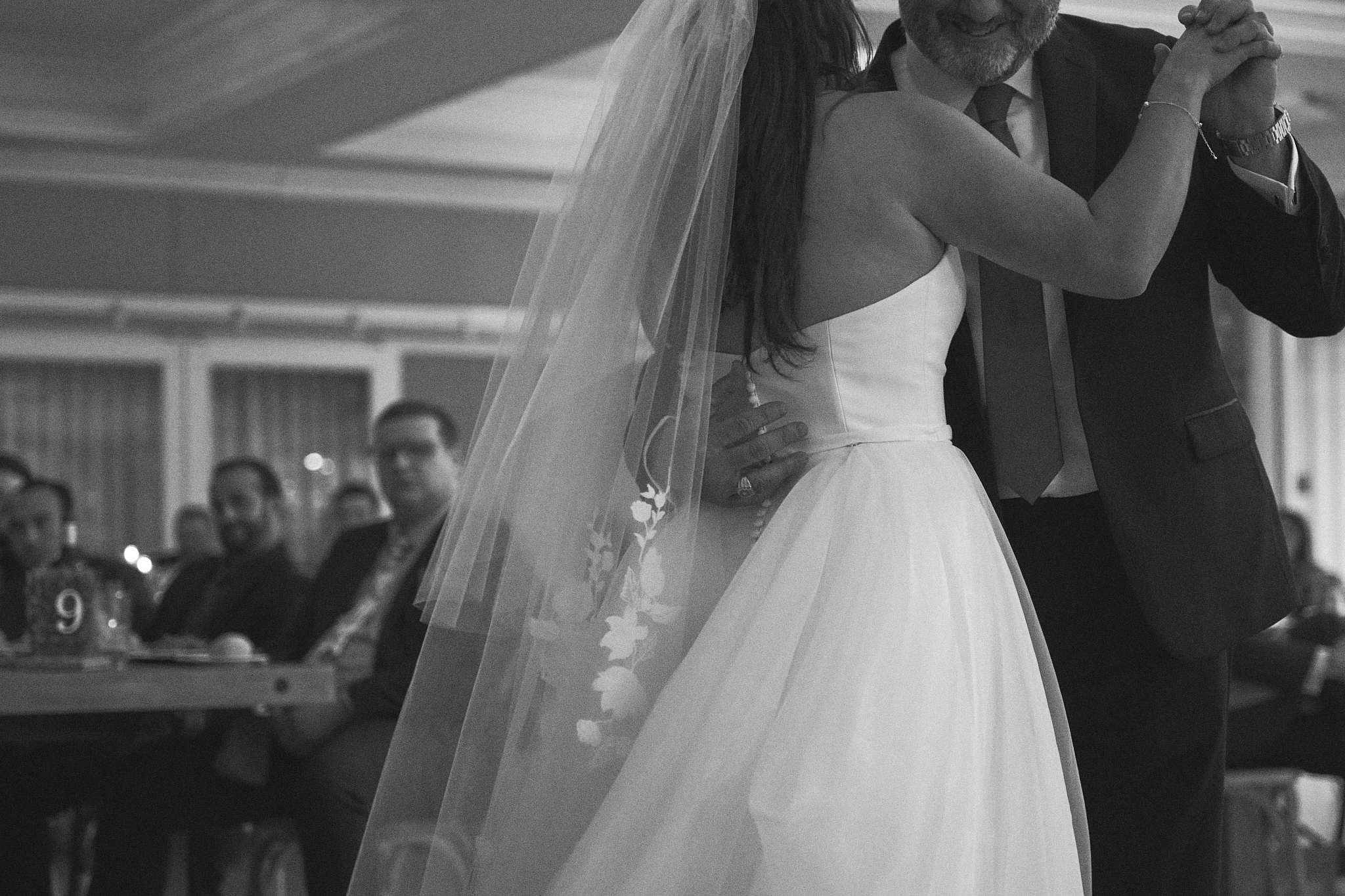
This can happen outdoors in shade or indoors with lighting gear. Some couples ask for black-and-white versions along with color.
Black and white can simplify a busy background and draw more focus to faces. A typical shot list includes the couple, parents, siblings, and the full wedding party.
Traditional Wedding Photography Poses and Ideas
Traditional wedding photography poses work well because they photograph well in most settings and light.
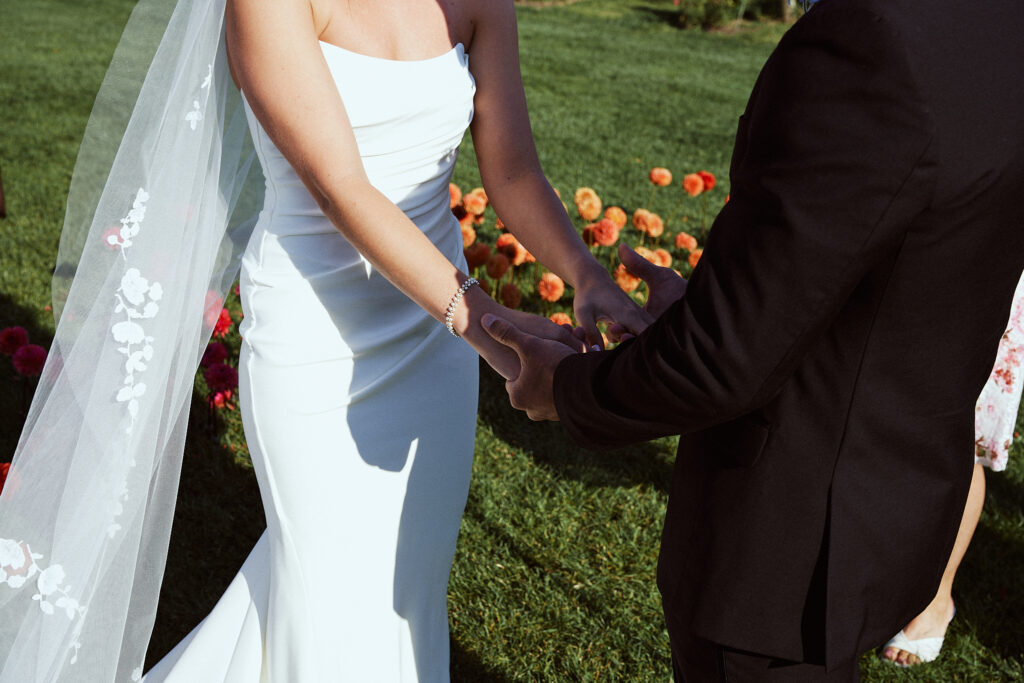
Common poses show the couple facing each other, holding hands, or standing side by side and facing the camera.
Family portraits often place the couple in the center. Parents stand on each side, and other relatives stand nearby. Group shots of the wedding party often use a line, with people slightly staggered so every face shows.
Some couples want close portraits that show detail in clothing and rings. Others want full-length shots that include the venue. Each pose has a purpose.
Some show who came to the event, and others show personal style. A photographer usually talks with the couple before the wedding day. This helps use the limited time well.
Comparing Wedding Photography Styles
Traditional photography is one of many different wedding photography styles. Wedding photography styles include documentary, editorial, fine art, and lifestyle.
Each style uses a different process and gives a different result. Comparing these styles helps couples see the difference between a posed shot and a captured moment.
It also helps them pick a style that fits their wedding.
How Traditional Differs From Candid and Documentary Styles
Documentary style photography records events as they happen. The photographer does not give direction.
I use this method often, since I have a background in concert photography and sports coverage. In those settings, moments happen fast and do not repeat.
Traditional photography works the other way. The photographer creates the moment through posing and direction. Candid photography is close to documentary style. It captures natural moments between guests or the couple.
Editorial, Fine Art, and Lifestyle at a Glance
Editorial style borrows ideas from magazine photos. It uses bold angles and planned light, though it is less strict than traditional posing.
Fine art photography focuses on light and composition. It often looks softer than traditional portraits. Lifestyle photography mixes direction with natural moments.
The photographer sets a scene, then lets the couple act naturally within it. Most weddings I shoot use more than one style during the day, since each part of the day suits a different method.
Choosing the Best Style for Your Wedding
The best wedding photography style depends on what matters most to the couple. A large family wedding often needs traditional posed portraits.
This makes it easier to organize many relatives. A smaller, more relaxed wedding may suit documentary or candid photos better.
There is less need for posed group shots. Looking at a photographer’s past work gives a clearer idea of what to expect, more than a style label alone.
Traditional Photography in Modern Weddings
Traditional wedding photography is still used in modern weddings. It now often appears next to other styles, instead of being the only style used all day.
Is Traditional Wedding Photography Outdated?
Traditional wedding photography is not outdated. Its role has changed over time. Many couples now use posed portraits only for certain parts of the day.
This includes family photos or the exit after the wedding ceremony. The rest of the day may use documentary or candid photos.
This shows a mix of styles, not a move away from posed photos. Formal portraits still have a purpose. They give clear, steady images from the special day. These work well for printing, framing, or sharing with family who could not attend.
Blending Traditional With Candid Coverage
Many photographers, myself included, mix traditional posing with documentary and candid coverage in one wedding.
I often use traditional methods for formal portraits and family group shots. Then I switch to documentary style for the reception, first dance, and natural moments between guests. This mix helps with lighting challenges.
Indoor receptions often need faster changes than a planned outdoor photo session. Crowd movement at a reception also changes fast. This means timing and quick reactions matter more than posing at that point in the day.
Finding Traditional Wedding Photographers
To find a photographer who excels at traditional wedding photography, look beyond general highlight photos. Focus on specific, matching work.
This includes posed group photos, family sessions, and shots similar to what your wedding will need.
What to Look for in a Portfolio
A useful portfolio shows full wedding galleries, not just a few top photos. Look for steady lighting and posing across many weddings, not just one strong set. Family portraits show how a photographer handles group photos.
This matters if your wedding has a large family or wedding party. A portfolio that only shows perfect light may not show how a photographer handles a real, unplanned wedding day.
Questions to Ask Before Booking
- How the photographer plans to handle family group shots.
- How much time they usually need for this part of the day.
- Ask if they mix traditional posing with documentary or candid coverage, and how they split time between the two.
- Ask about backup gear and lighting plans for indoor or low-light venues.
These questions help you know what to expect on the wedding day, instead of relying on a style name alone.