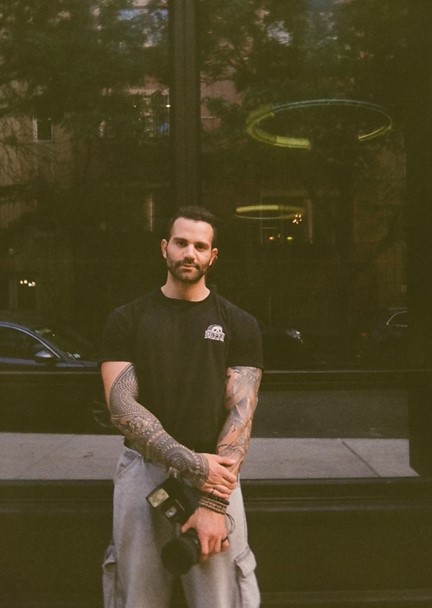


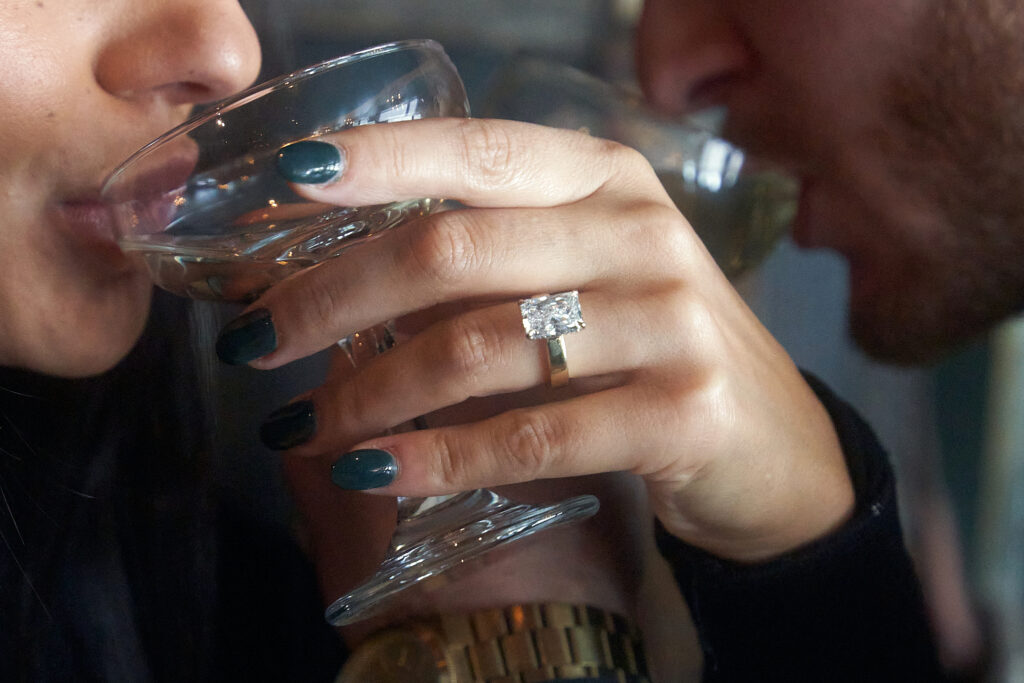
Unique wedding photography means telling the real story of a wedding day instead of posing for it. It comes from documentary photography, where the photographer watches and reacts instead of directing every shot.
A photographer working this way looks for real moments, not staged ones. Light changes fast, crowds move, and people react without warning, so the photographer has to keep up.
This guide explains what unique wedding photography looks like in real weddings, from the venues it works best in to how a photographer reads the room.
What Is Unique Wedding Photography?
Unique wedding photography means capturing real, unscripted moments instead of posed ones. It comes from documentary photography and photojournalism, where the job is to record what happens, not stage it.
A posed photo asks people to stop and look at the camera. A candid photo catches them in the middle of something real, often without them even noticing the camera is there.
Every wedding moves at its own pace, so what makes a photo unique depends on the day itself. Some of the best shots come from small moments nobody planned for.
A hug that lasts a second too long. A laugh caught mid-sentence. These moments are part of what makes this style different from a fully staged photo shoot.
Unique Ideas for Wedding Photos
The wedding venue changes what’s possible with a camera. A rooftop, a courthouse hallway, and a backyard elopement each bring different light and space to work with.
Part of shooting in different places is learning to read the space fast and figure out where the real moments are likely to happen next.
Non-Traditional Wedding Photos and Unconventional Venues
Non-traditional wedding photos often come from places that were never built for photos at all. A subway platform. A diner booth. A parking garage before a city wedding.
These spots require faster decisions than a ballroom or a garden, since the light shifts fast and you have less control over what’s in the background.
Shooting this way as part of your wedding coverage means working around noise, tight spaces, or low light without slowing the day down.
The photos that come out usually feel specific to that one wedding, not like something copied from another shoot at the same popular venue.
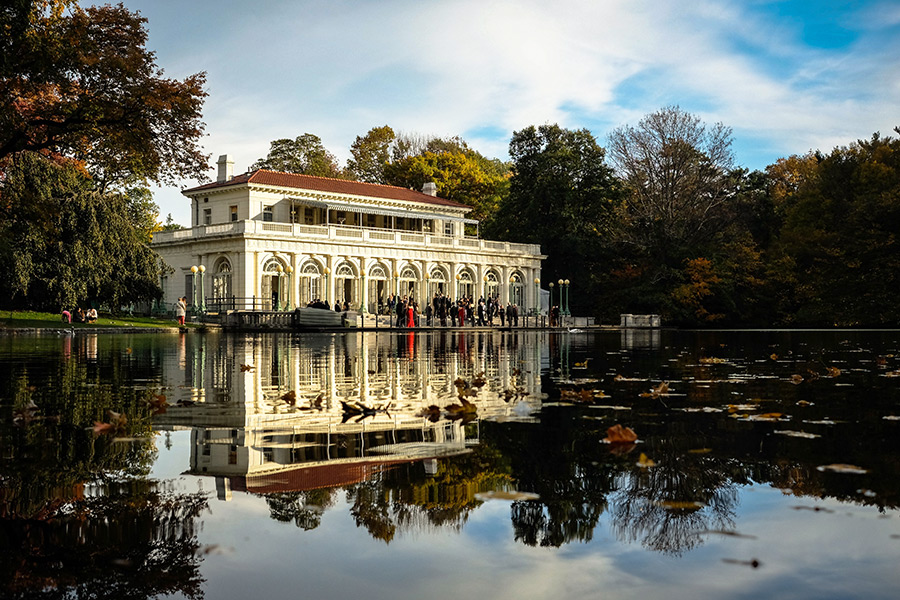
You may be interested in reading: Prospect Park NYC: Wedding Photography Location Guide
Unique Wedding Photo Ideas for Guests
Guests carry much of a wedding’s mood, and they’re often left out of the conversation about unique wedding photography.
A grandparent watching the ceremony. Friends mid-toast. A private moment shared between two family members near the edge of the room.
These shots show the day’s texture beyond just the couple. Getting them well means staying alert all day, not just during the scheduled portrait time.
Skipping the staged group lineup in favor of catching people as they really are often makes for more honest photos.
Unique Wedding Photography Styles and Poses
Style changes how a wedding gets documented. It affects how a shot gets framed and how much direction a couple gets during the day.
Documentary vs. Posed Approaches
A posed approach means placing people in specific spots and adjusting them until the shot looks right. A documentary approach means watching the day happen and photographing it with little or no direction.
Most weddings work well with a mix of both. A few planned portraits, and a much bigger set of candid moments.
How that mix works out depends on what the couple wants and how comfortable they are being directed.
Documentary, Editorial, and Cinematic Style
Documentary style focuses on real, unposed moments as they happen. Editorial style borrows ideas from fashion and magazine photos, using more deliberate composition even in candid moments.
Cinematic style leans on mood, using framing, depth, and light to give a photo a filmic feel. These three styles often blend together in one wedding, since a real moment can still be framed with an editorial or cinematic eye.
Unique Wedding Photography Poses and Framing
Even inside a documentary approach, framing still matters. Where the photographer stands, what shows up in the background, and how much space surrounds the subject all shape the final photo.
Naturally directed portraits, like asking a couple to walk or talk instead of holding still, tend to look more relaxed than a fixed pose.
This is also where a unique wedding photoshoot can use creative angles or reflections without asking anyone to change what they’re doing.
You may also want to read: What Is the Best Wedding Photography Style?
How Alternative Wedding Photography Captures Real Moments
Alternative wedding photography depends on staying alert instead of controlling the scene. That means reading the room all day long, not just during set photo time.
Candid and Unscripted Moments
Candid moments happen fast and don’t repeat. A first look. A parent’s reaction during the ceremony. A joke shared over dinner.
These are gone within seconds. Catching them means standing in the right spot before they happen, which comes from knowing how weddings tend to unfold.
My background in concert and sports photography helps here, since both fields require anticipating action before it happens instead of reacting after it’s already over.
Reading Crowd Energy and Adapting on the Day
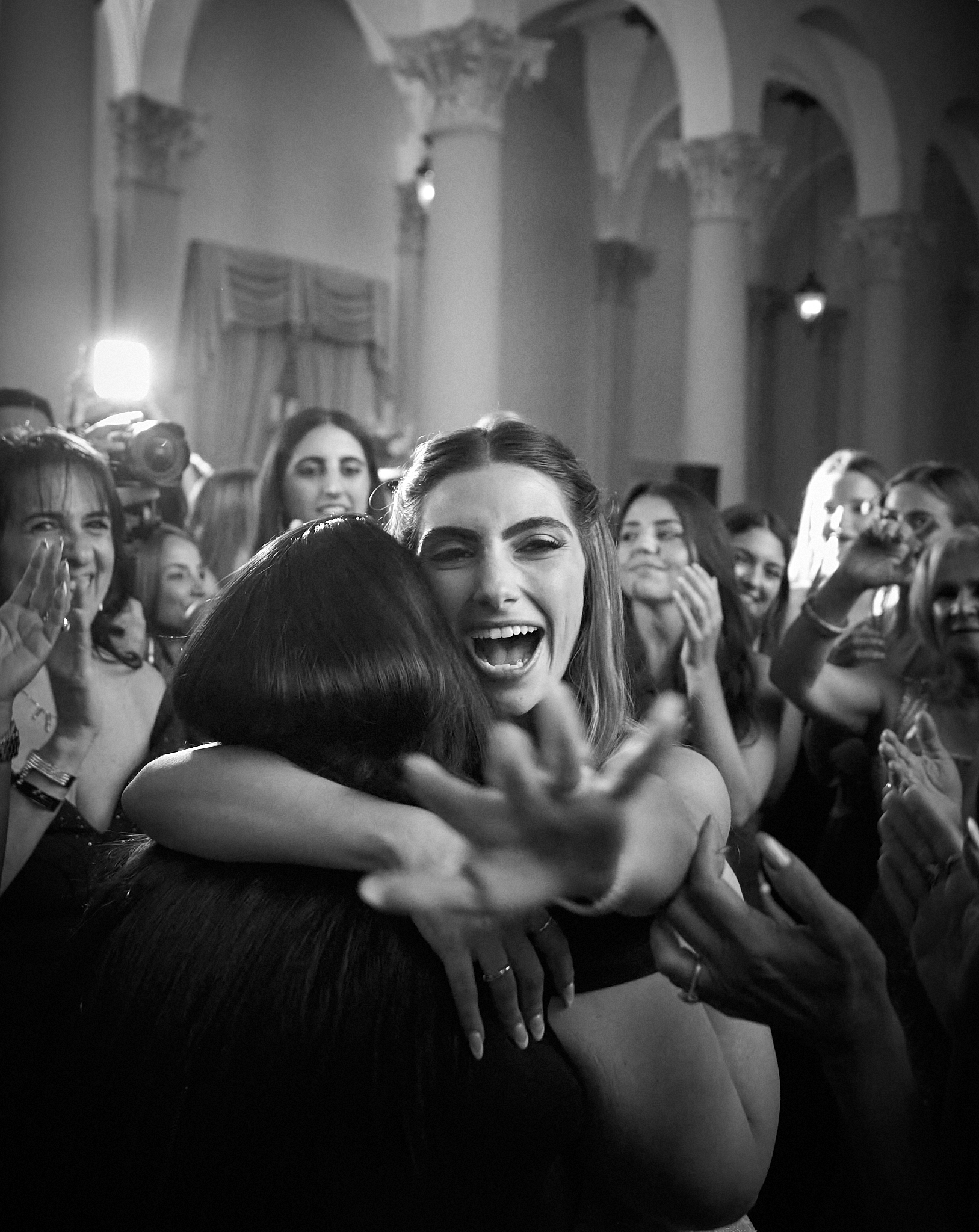
Every wedding has its own rhythm, and that rhythm shifts as the day goes on. A quiet ceremony calls for a different approach than a packed dance floor later that night.
Reading that shift means changing pace, position, and camera settings without breaking the flow of what’s happening. This kind of adjusting comes from working in fast-moving, unpredictable settings where there’s no second take.
Finding a Photographer for Unique Wedding Pics
Finding the right photographer for unique wedding pics means looking past one polished gallery and seeing how they actually work across a full day.
Reviewing Past Coverage
Looking through full wedding galleries, not just highlight reels, shows how a photographer handles an entire event.
That includes quiet transitions and less exciting settings, not just the big moments. Staying consistent across different venues and lighting is a good sign of real experience.
A photographer who can shoot a courthouse ceremony, an outdoor tent, and a dim reception hall within the same body of work has likely seen a wide range of real situations play out on someone’s special day.
Questions to Ask About Approach
A few direct questions can make it easier to understand how a photographer works before booking them.
- How much of the day is candid versus posed?
- How do they handle low light or fast-moving moments?
- What’s their experience with non-traditional or unconventional venues?
- How do they work with guests who aren’t used to being in front of a camera?
These questions usually say more about fit than a portfolio alone, since they show how a photographer thinks about a wedding day, not just how the final photos turn out.
Photographing the Full Day, Not Just the Highlights
Part of your wedding day includes moments that never make it onto a highlight reel but still matter later. The walk from the ceremony to the reception.
Guests finding their seats. A quiet second near the wedding venue entrance before things get busy. These in-between moments often carry just as much meaning as the big ones, even though they rarely get planned for ahead of time.
A documentary approach treats the whole day as worth watching, not just the ceremony and the toasts. That includes the setup before guests arrive, the lull between events, and the wind-down at the end of the night.
Paying attention to these stretches usually means fewer gaps in the final set of photos and a fuller picture of how the day actually went.
How Lighting Shapes Unique Wedding Photography
Lighting is one of the biggest factors in how a wedding photo turns out, and it rarely stays the same for long.
Morning light during getting-ready photos looks nothing like the light at a sunset ceremony or a dark reception with string lights and a dance floor.
A photographer working in a documentary style has to adjust constantly, often without time to set up extra equipment.
Indoor venues bring their own challenges, especially older buildings with small windows or mixed lighting from different fixtures.
Outdoor settings shift fast too, especially during golden hour or if weather rolls in unexpectedly.
Working through these changes without disrupting the day is part of what makes candid, real-time photography different from a fully controlled studio shoot.