

In practice, natural wedding photography captures moments as they happen, without staged direction or repeated poses.
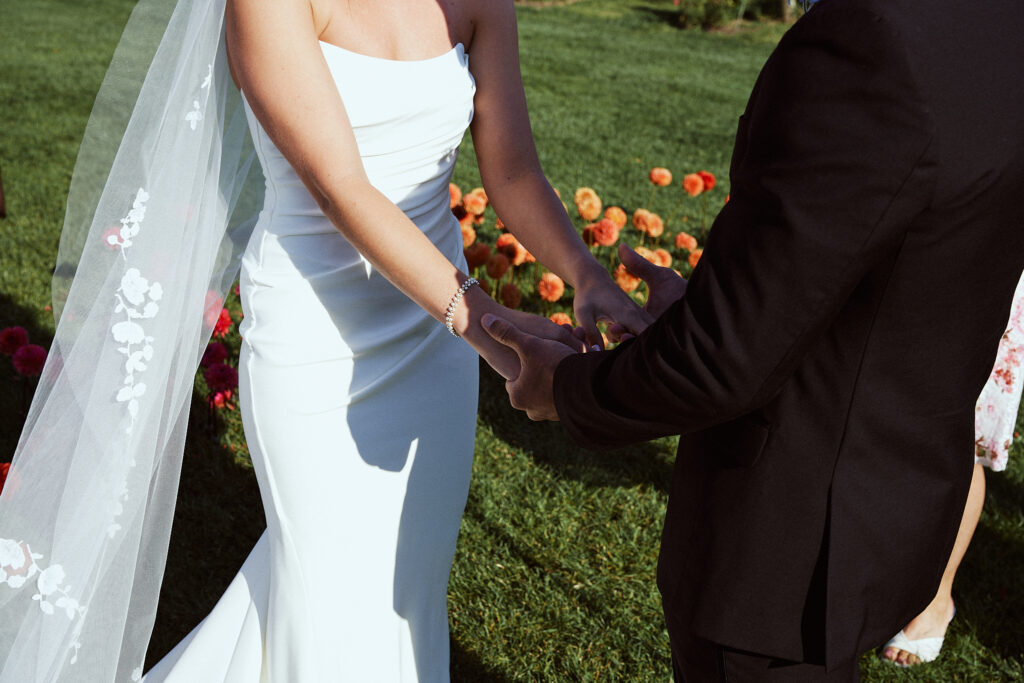
A couple walking to their car, a hand reaching for another during the vows, a laugh shared at a table – these are the images that define the style.
The approach depends on light, timing, and observation rather than instruction. Editing stays close to what the scene actually looked like, so colors and skin tones read true-to-life.
The result is a set of photos that document a day, not perform one.
I run Momento Lehr Photography, and this article explains what that phrase means in practice, from how I move through a wedding day to how a gallery gets edited afterward.
You’ll learn the difference between the styles grouped under “natural,” how coverage changes across weddings, elopements, and engagements, and what separates a documentary approach from a posed one.
What Natural Wedding Photography Means
Natural vs. Casual Wedding Photography Styles
The terms “natural” and “casual” get used almost interchangeably, but they describe slightly different things.
Casual wedding photos usually refer to a relaxed, low-formality feel – less structure, fewer group lineups, more downtime captured as it happens.
Natural wedding photography styles focus more on how a photo is made: minimal direction, real expressions, light that hasn’t been altered to look like something it wasn’t.
A wedding can be casual in tone and still rely on guided portraits, and it can be formal in setting while still being shot in a fully natural, unposed way.
Key Takeaways
- Natural wedding photography relies on real-time observation, not staged posing, to document the day as it happens.
- Coverage adapts to each event: full weddings involve many quick transitions, while elopements and engagements allow more time per location.
- True-to-life editing keeps color and light close to the original scene, since overprocessing is a common way a gallery loses its natural feel.
- Reviewing a full gallery for consistency across the day is more reliable than judging a photographer by a few standout photos.
Documentary, Candid, and Cinematic Approaches
Documentary style treats the day as a sequence of events to record, not a set of scenes to arrange. Candid work fits within that same idea, focusing on unguarded expressions rather than eye contact with the camera.
Cinematic framing borrows from film, using depth, movement, and light to give a still image a sense of motion.
I draw on all three, shaped by years spent covering concerts and sports, where nothing pauses for the camera, and the only option is to anticipate what happens next.
You may also want to read: What Is the Best Wedding Photography Style?
How Coverage Adapts to Each Event
Reading Light, Crowds, and Timing
Every venue presents a different lighting problem. A backyard ceremony at 4 p.m. offers soft, natural light for an hour or two before it shifts hard and low.
A ballroom reception depends entirely on the fixtures already in the room. Reading that light correctly, and positioning for it before a moment happens, matters more than any camera setting.
Crowd movement adds another layer: a receiving line, a hora, a first dance all move unpredictably, and timing comes down to watching body language a few seconds before the moment actually lands.
Weddings, Elopements, and Engagements Compared
A full wedding day involves dozens of small transitions: getting ready, ceremony, family formals, and reception, each with its own pace and lighting conditions.
An elopement is usually smaller and slower, with more time to work with a single location and a couple who aren’t managing fifty other things at once.
Engagement sessions sit somewhere in between: less time pressure than a wedding, but still built around movement and conversation rather than static posing.
The coverage style stays consistent across all three; what changes is how much time there is to work with it.
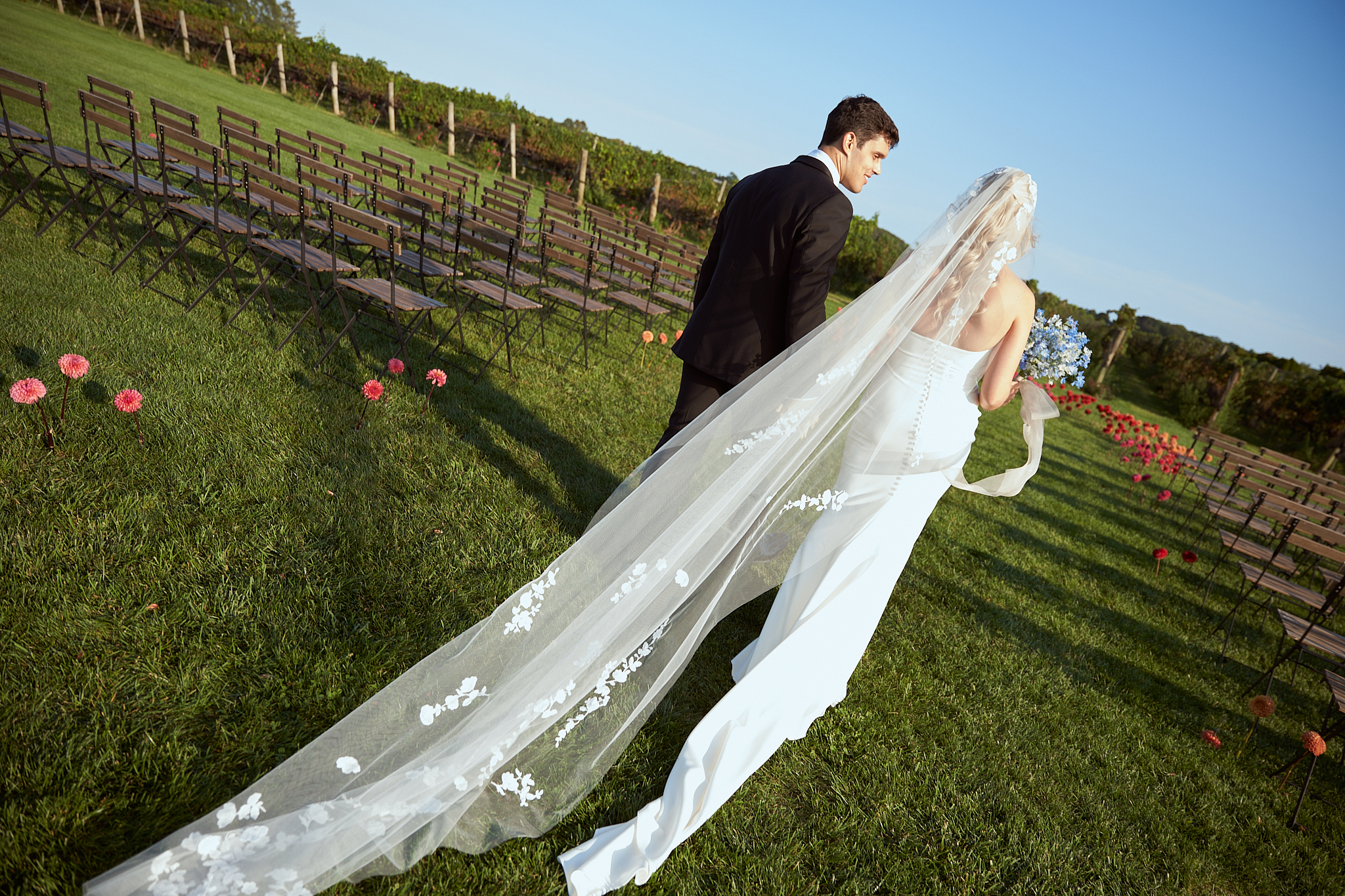
How Natural Photos Come Together
True-to-Life Editing
Editing plays as large a role as the shooting itself. A true-to-life edit keeps skin tones accurate, preserves the color temperature of the actual light in the room, and avoids pushing shadows or highlights past what the scene looked like in person.
Overprocessing, flattening every image to the same preset regardless of the original light, is one of the more common ways a gallery stops feeling like a specific day and starts feeling generic. The goal in editing is restraint: enhance what was there; don’t replace it.
Real Moments in Practice
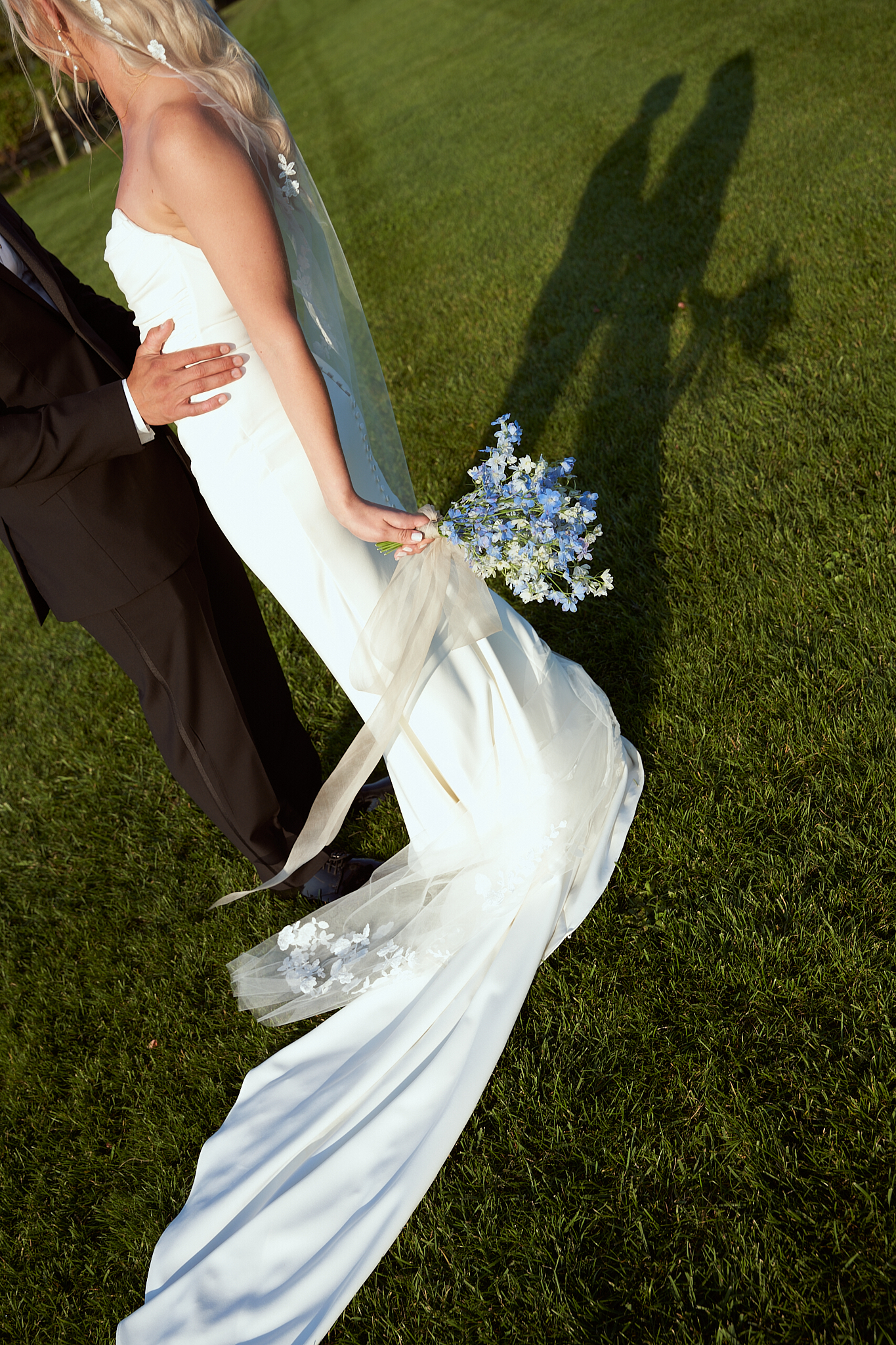
A grandmother wiping her eyes during the ceremony. A best man pacing before a speech. Two people ducking into a doorway during a light rain instead of waiting it out.
None of these are directed. They come from staying close enough to the action to see them coming, and far enough back not to interrupt them.
This is the same instinct built from photojournalism and event coverage: wait, watch, and be ready before the moment arrives, not after.
What to Look for in a Full Gallery
Consistency and Comfort Across the Day
A handful of strong images from any wedding is easy to produce.
A full gallery is a better test. Look at how light and color hold up from the morning getting-ready photos through a dim reception, and whether the editing style stays consistent throughout.
Look, too, at how relaxed people appear across the whole day, not just in a few chosen portraits.
No single formula exists for how a couple should match their comfort level with a photographer’s working style; reviewing full galleries, not just highlight reels, is the most direct way to judge it.
Natural Wedding Photography Near NYC and NJ
Coverage in and around New York City and New Jersey comes with its own set of conditions. City venues often mean mixed lighting daylight through windows combined with interior fixtures – along with tighter spaces and less control over background elements.
Outdoor NJ venues, from estates to backyards, offer more open light but less predictability from weather.
As a natural wedding photographer working across both settings, I constantly adjust: reading each space on arrival rather than applying the same setup regardless of where the day is happening.
Common Questions About Natural Wedding Photography
Does natural wedding photography mean no posed photos at all?
No. Most natural coverage includes some guided moments, such as family groupings, mixed with unposed, observed ones throughout the rest of the day.
Is natural wedding photography the same as documentary style?
They overlap closely. Documentary style is one way of achieving a natural look, built around minimal direction and real-time observation rather than staged setups.
Can natural and light-and-airy editing go together? Yes, though they’re not the same thing. Light and airy refers to a brighter, softer color palette, while natural or true-to-life editing refers to accuracy. A gallery can be edited brighter and still stay accurate to the actual light and tone of the day.