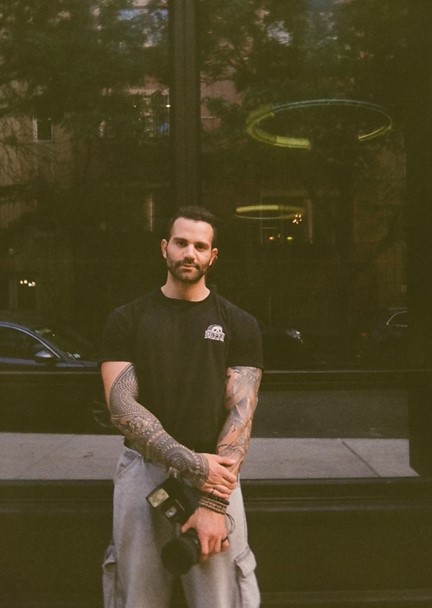


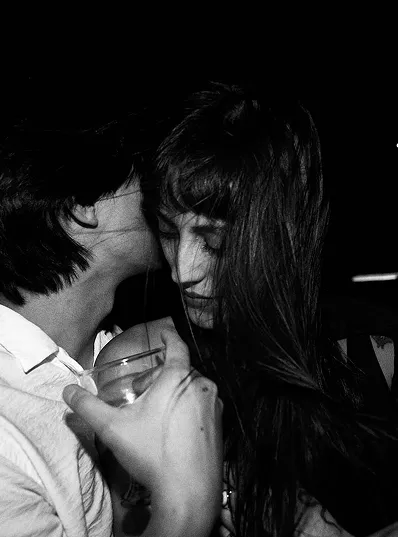
This aesthetic relies on shadow, restrained light, and deep color tones rather than bright, even exposure.
Dark and moody wedding photography works by letting existing light shape the frame instead of overriding it with flash or heavy correction.
The look comes from real conditions: a dim reception hall, a single window, an overcast sky not from a fixed formula applied after the fact.
Understanding how this style forms, in camera and in the edit, explains why it reads as intentional rather than accidental.
This article explains what the dark and moody wedding photography style is, how it’s created during a wedding ceremony, and where it tends to work best. The goal is to clarify the technique, not describe an outcome or make a promise.
What Is the Dark and Moody Wedding Photography Style?
The moody style favors shadow over brightness. A photo built this way often holds deep blacks, muted highlights, and a narrow range of light across the frame.
Instead of lighting every corner evenly, the photographer lets darkness remain where it naturally falls, shifting attention to the bride and groom rather than the surrounding space.
How a Moody Wedding Photographer Creates This Look
A moody wedding photographer relies on three connected decisions: how they handle light during the event, how they edit the images, and what equipment they use.
Each choice affects the final result, and none works well in isolation.
Photographing a Wedding in the Dark
Photographing a wedding in the dark means working with less available light than a standard daytime shoot.
I look for a single light source, a candle, a window, or string lighting, and let it define the shot. I avoid adding flash that flattens the scene, choosing instead to wait for a moment where the existing light does the work.
Editing and Color Grading Choices
Editing carries as much weight as the original exposure. I lower highlights, deepen shadows, and shift tones toward cooler or warmer casts depending on the room.
The intent is to match what the space actually felt like during the wedding experience, not to invent a mood that wasn’t present.
Camera and Lens Considerations
Low light places more demand on equipment. Wide apertures let in more available light without flash, and higher ISO settings help retain detail indoors, balanced against added noise.
Manual settings offer more control than automatic modes, particularly during fast-changing light on a dance floor.
You may also want to read: Best Camera for Wedding Photography: What I Use and Why
Best Conditions for a Gothic Wedding Photoshoot
A gothic wedding photoshoot depends as much on the setting as on the technique. Some conditions naturally support the look, while others work against it regardless of editing.
Indoor and Evening Settings
Venues with low ambient light, such as stone buildings or dim reception halls, suit this style well.
Evening ceremonies also help, since fading light creates shadow from the start rather than requiring it to be manufactured later.
Overcast and Low-Light Days
Cloud cover removes harsh sun and softens contrast outdoors. Rain and fog can add texture without additional editing, often producing stronger results than a bright, clear afternoon.
Dark and Moody vs. Gothic Wedding Photography
These terms overlap but aren’t interchangeable.
Dark and moody describes a lighting and editing approach, while gothic more often refers to a broader visual theme involving venue, attire, and decor.
A wedding can have gothic styling and still be photographed in a bright, traditional way.
Style Variations and Inspiration
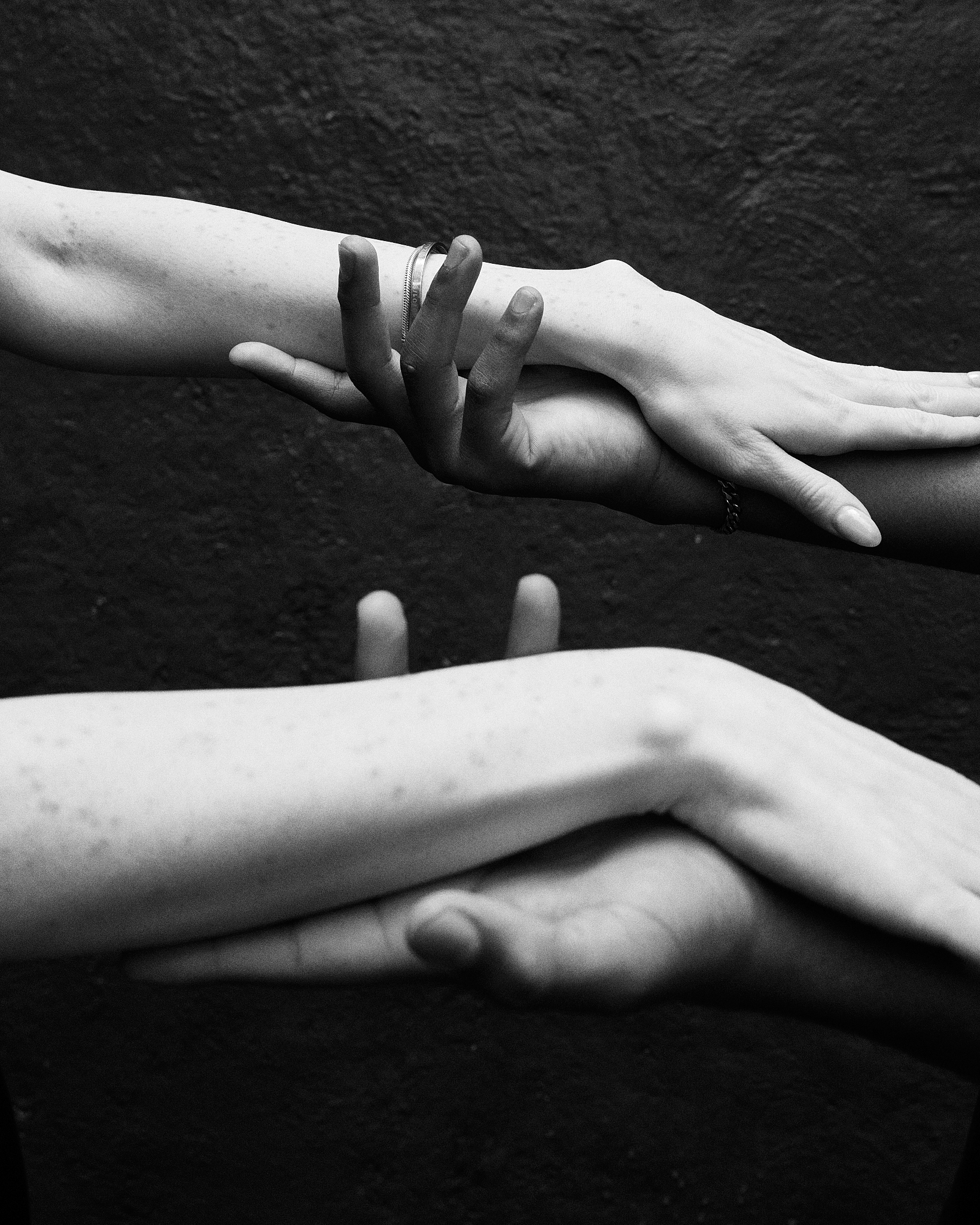
This look shifts depending on the couple, venue, and season, rather than following one fixed template.
Alternative Wedding Photography Approaches
Alternative wedding photography often moves away from staged group formations. This style pairs naturally with that approach, since both favor candid, unscripted moments over posed arrangements.
Dark and Moody Wedding Photography Ideas
Ideas within this style include getting-ready moments lit by a window, a first look in a shadowed hallway, or a reception lit only by string lights, each built around existing light rather than added equipment.
Examples of a Dark and Moody Wedding Photo
A typical frame might show a couple in near silhouette against one light source, or a portrait with half the face in shadow, relying on contrast rather than brightness to hold the eye.
Dark and Moody Engagement Photos
Dark and moody engagement photos follow the same principles at a smaller scale.
Evening sessions, indoor locations, or overcast days translate this look outside the wedding day itself, using the same attention to available light.
How This Style Fits a Documentary Approach
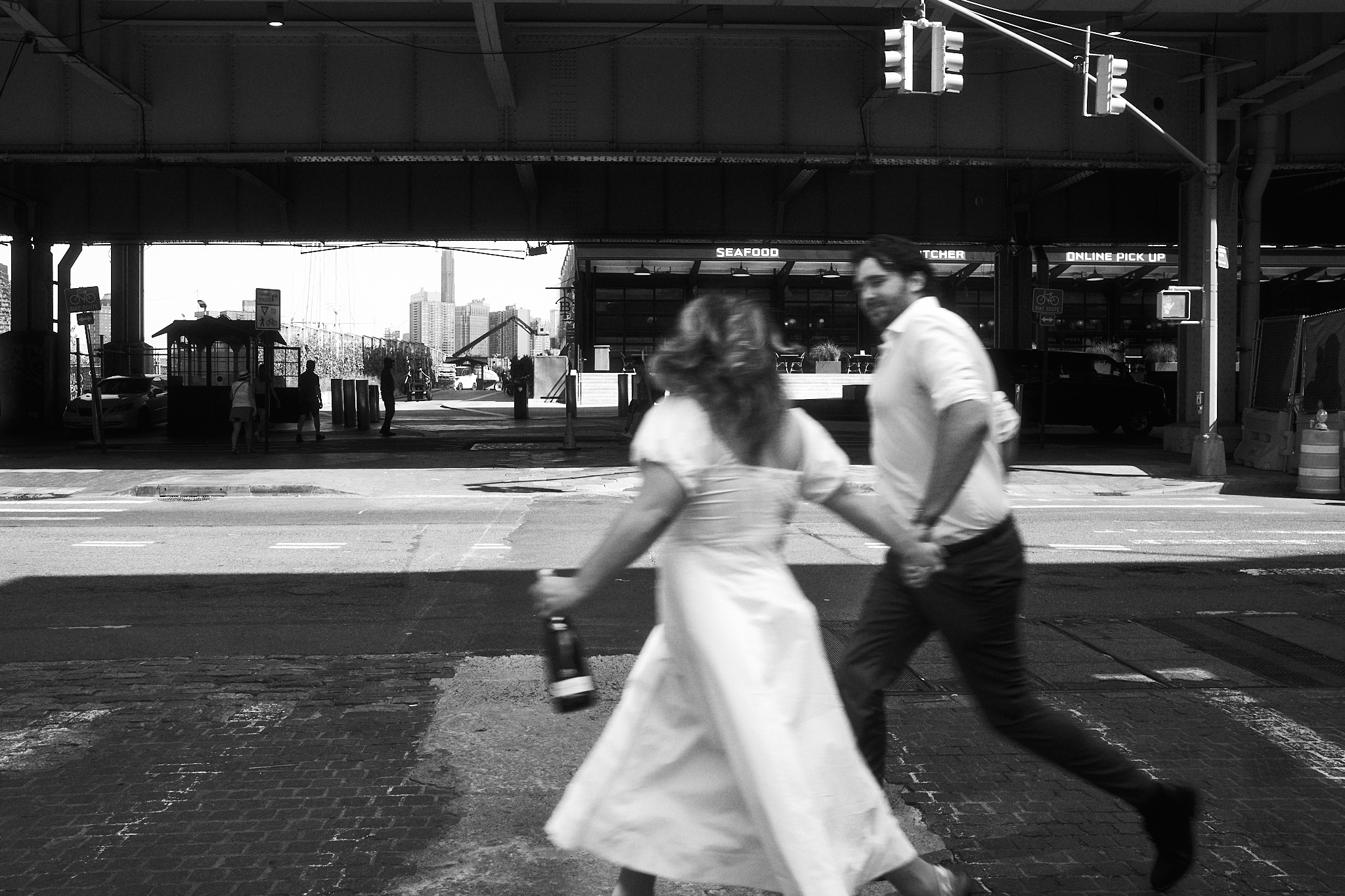
This style pairs naturally with a documentary approach, since both depend on real conditions rather than constructed ones.
My background includes photojournalism, concert photography, and sports coverage, all fast-moving, unscripted environments. That background shapes how I approach a wedding ceremony: I watch for the light and the moment already there, rather than directing the scene toward a fixed result.