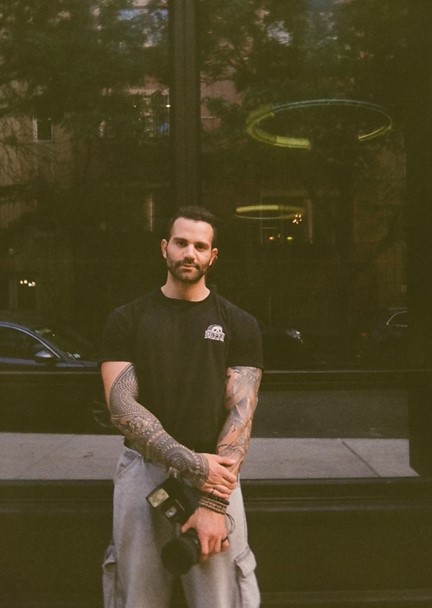


Momento Lehr Photography is led by Edahn Lehr. He documents weddings, events, and portraits. His background is in photojournalism, concert photography, and street work. This article explains how to enter wedding photography. You’ll learn about early experience, gear, workflow, and business basics. Use this as a reference guide.
Key Takeaways
- Second shooting is the best entry point; most photographers start by assisting experienced photographers rather than jumping into solo weddings, which builds real-world skills and confidence without risking a couple’s big day.
- Plan for 6 to 18 months before taking a solo booking; this timeframe assumes consistent practice, multiple assisting opportunities, and steady portfolio building, though photographers with backgrounds in sports or concert work often move faster.
- Invest in reliable, not expensive gear; you need two camera bodies, solid lenses, extra batteries, memory cards, and a backup system, but the most important factor is equipment you can operate confidently under pressure.
- Set up contracts, clear pricing, and a simple workflow system from day one; professionalism and clear expectations protect both you and your couples and prevent confusion as your booking volume grows.
- Build your business on word of mouth and vendor relationships — most working wedding photographers find consistent bookings through referrals from previous couples and connections with planners, venues, and other vendors.
Getting Started With No Experience
Most new wedding photographers don’t start with a solo booking. They start by watching someone else work. They observe how an experienced photographer moves. They see how that photographer reads a room. They watch how decisions get made under time pressure. This hands-on learning can’t happen any other way.
Second Shooting and Assisting
The best entry point into wedding photography is second shooting. You work alongside an established photographer. Your job is to cover angles they can’t reach. You might photograph the groom’s reaction while they photograph the bride. Or you capture candid moments of guests during the reception.
Pay varies at this level. Some second shooters work unpaid at first. You treat the experience itself as payment. When you contact photographers about assisting work, keep your email short. Share your current work. Show what you can offer. Don’t focus on what you want to learn.
Styled Shoots vs. Real Wedding Days
Styled shoots help you build images before your first real wedding. They use models and staged settings. Controlled conditions are good for practicing composition and lighting. But they don’t match the real wedding experience.
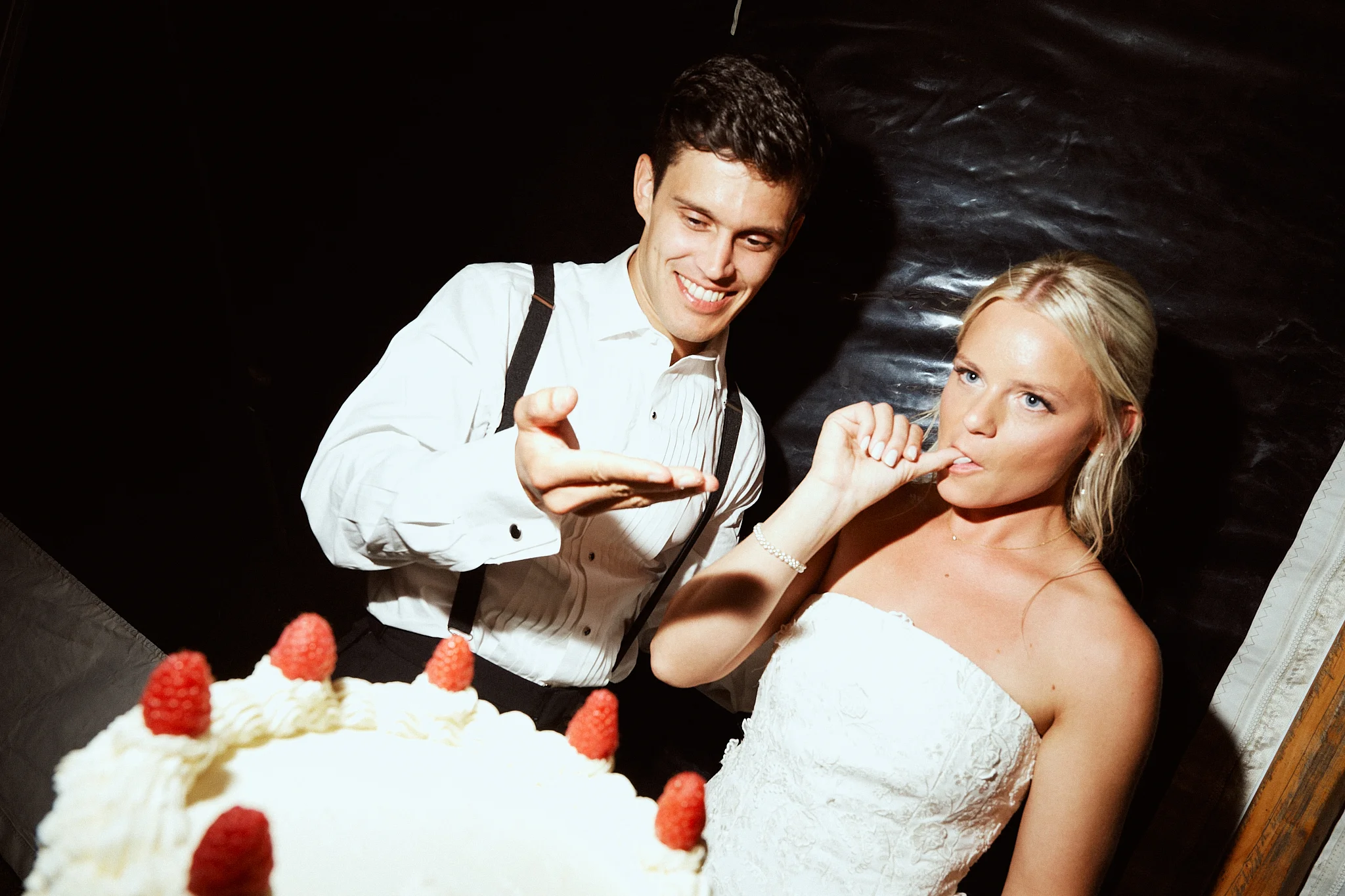
A real wedding day is different. It moves fast. Real emotions are at stake. You can’t reset between shots. Include styled shoot images in your portfolio. But be honest about what they are. Don’t present them as real weddings. This misleads potential clients. It sets false expectations.
How Long It Takes and What It Requires
There is no set timeline for becoming a wedding photographer. Some photographers second shoot for six months. Then they’re ready for solo work. Others need two years of assisting first. Everyone’s path is different.
Realistic Timelines to Your First Booking
A good estimate: six to eighteen months for your first solo wedding. This assumes you practice consistently. You need several assisting opportunities. You need to build your portfolio steadily during this time.
Some photographers move faster. They come from sports photography, concert photography, or street work. Those fields teach the same skills weddings need. You learn to read a scene. You anticipate movement. You make fast decisions. These skills transfer directly to wedding days.
Building a Portfolio Before You’re Hired
Potential clients look at your portfolio. They want to understand how you see. They don’t just want to know what camera you own. Real wedding photos matter more than staged work. They show how you perform under real conditions.
Edahn Lehr built his visual style through years of documentary work. He did this before focusing on weddings. That background shaped how his wedding photos are framed. It shaped his timing. A strong portfolio shows two things: technical ability and consistent decision-making under real pressure.
How a Documentary Background Shapes This Work
Your approach to weddings reflects what you’ve trained yourself to see. A photographer from portrait studios tends to direct and arrange. A photographer from documentary work tends to observe and anticipate. These are two different ways of shooting weddings.
Candid Moments Over Staged Setups
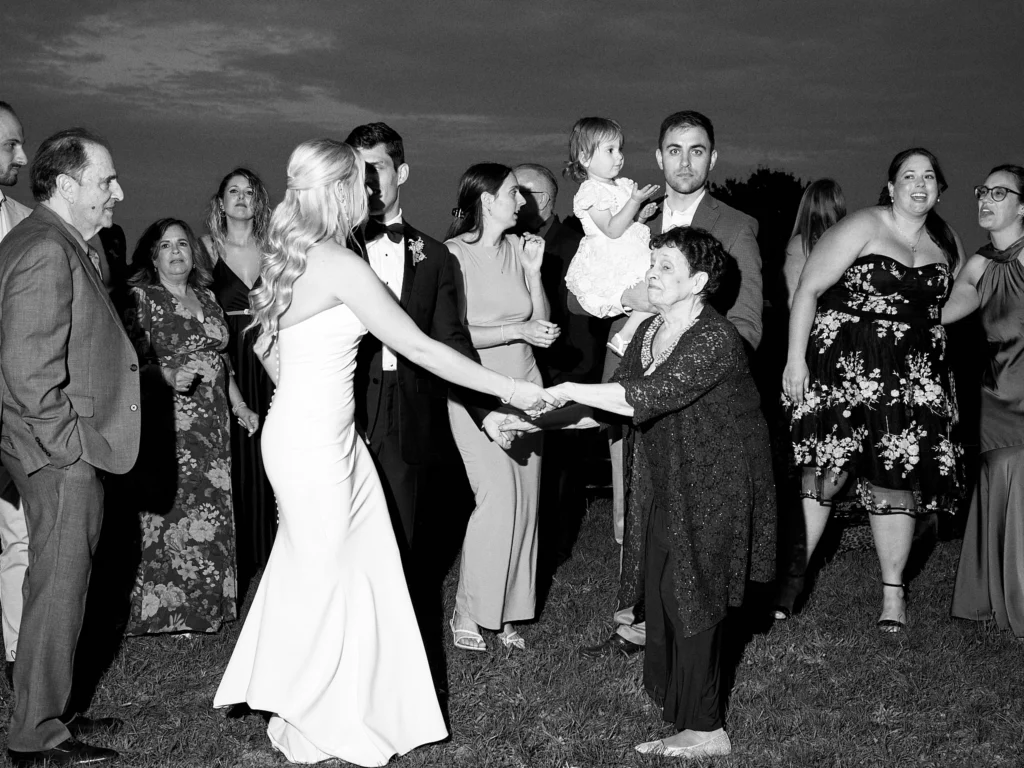
Documentary-style wedding photography captures what is actually happening. You don’t arrange moments. You wait for them. You position yourself for the moment a parent sees their child. You capture the seconds between the ceremony ending and the couple walking back down the aisle.
Being a wedding photographer with a documentary style means one thing: be ready before the moment happens. Don’t react after. A successful wedding photographer works almost invisibly. But they stay fully alert. This is how you capture unscripted moments.
From Photojournalism to Weddings and Events
Photojournalism trains you for unscripted work. You work in crowded venues. Light shifts constantly. Scenes happen once. They don’t repeat. These same conditions exist on a wedding day.
Edahn Lehr’s background is in concert photography and sports coverage. These taught him key instincts: read crowd movement, anticipate what comes next, and move into position without disrupting the scene. This experience applies to weddings, bar mitzvahs, family events, and any setting where moments are brief and unscripted.
Gear, the Wedding Day, and Post-Production
Equipment matters. But it doesn’t replace experience. The gear choices that matter most are about reliability and backups. You don’t need the most expensive camera body.
Essential Equipment and Backups
A basic setup includes two camera bodies. Add a 24-70mm lens for general coverage. Add a 70-200mm lens for distant moments. A fast prime lens (35mm or 50mm) helps in dark reception spaces. The zoom might not open wide enough there.
Every camera body needs backup accessories that are charged and accessible during the event. It should be charged and ready. Equipment insurance is necessary once you shoot paid work. Don’t skip this step. It protects your investment as a professional photographer.
Adapting in Unscripted, Fast-Moving Environments
Wedding days don’t follow fixed schedules. Ceremonies start late. Outdoor light changes faster than you expect. Reception timelines shift when speeches run long. Your job is to track the schedule. Adjust position before the next moment happens. Don’t wait until after.
This real-time adaptability comes from experience. It doesn’t come from gear or camera settings. Fast-moving environments teach you this skill.
Workflow From Shoot to Delivery
Post-production takes time. Plan for twenty to forty hours per wedding. This covers culling, color grading, and retouching. Create a clear workflow before the shoot. Know which memory cards go where. Back up files immediately after the event. Know when clients get their gallery.
Communicate the delivery timeline clearly. Tell clients when they’ll receive their wedding photos. This prevents confusion later. Clear expectations matter.
Starting a Wedding Photography Business
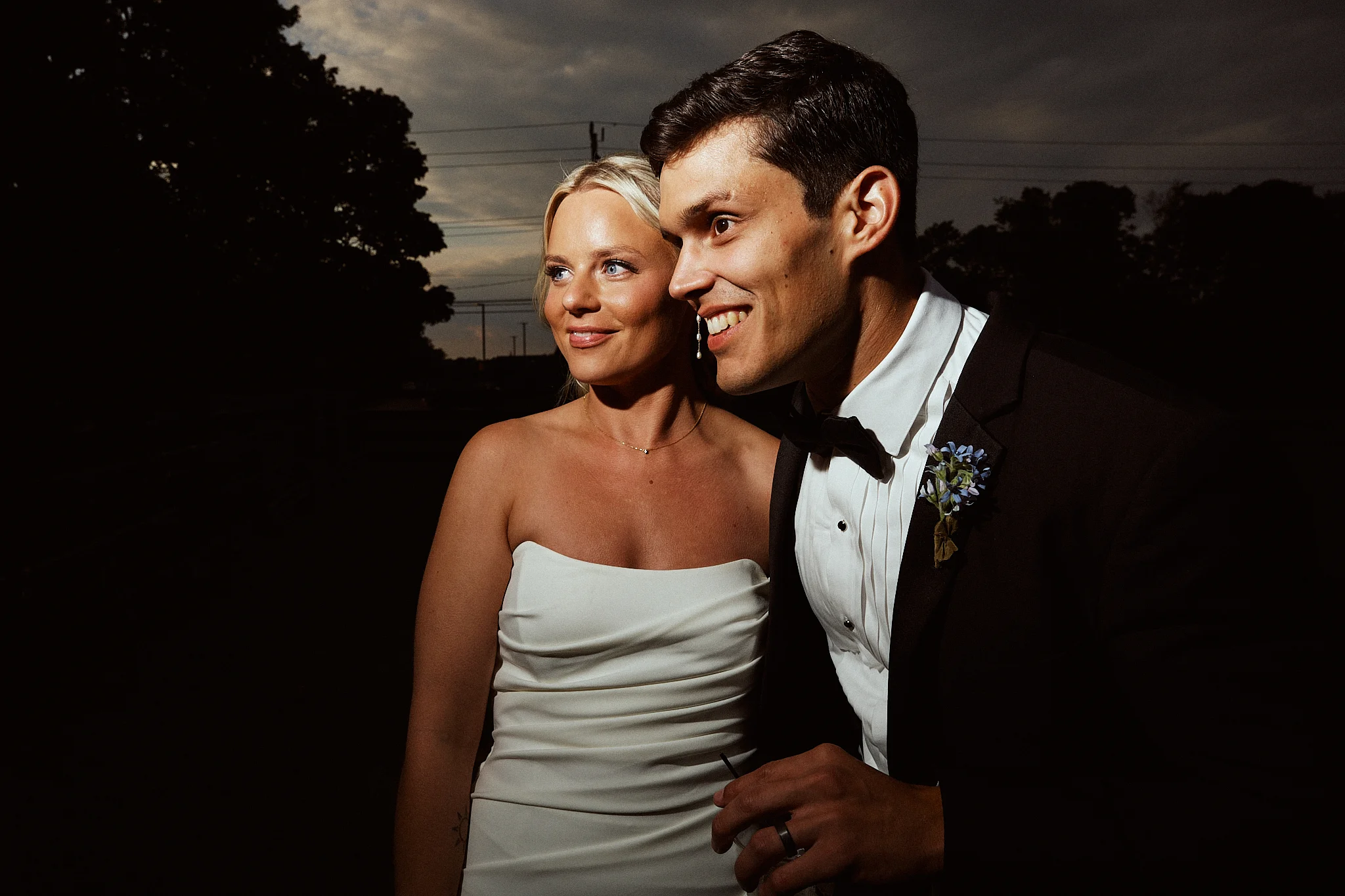
Learning photography and running a business are different skills. The business side includes client communication, contracts, finances, and delivery timelines.
Contracts, Pricing, and Structure
Every paid booking needs a signed contract. Cover payment terms, delivery dates, cancellation policy, and image rights. Price your work correctly. Include all the time you spend. Don’t just count shooting hours. Add editing time, travel, and equipment costs.
New photographers often underprice their work. They only count the wedding day hours. This is a mistake. Set up as a legal business – usually an LLC. This protects your personal assets. It signals professionalism to potential clients. Track your expenses. Pay estimated taxes quarterly. This prevents year-end problems.
Common Mistakes Early On
Biggest mistake: booking a solo wedding too soon. You haven’t practiced enough yet. A couple gets one wedding day. If you’re not ready, you’ll produce poor work. Their memories matter. Don’t rush this.
Second mistake: charging too little. Low rates attract clients who don’t value your work. You’ll need to shoot many more weddings to pay yourself. Use social media consistently. Even during the slow season, share your work. This helps grow your business. Potential clients see your work. They compare options. Your visibility matters.
Income, Jobs, and Why Photographers Stay in It
Wedding photography is a real career. You can make a sustainable living. But income varies based on your market, experience, and how many weddings you shoot per year.
How Much Wedding Photographers Make
In the US, rates vary. Newer photographers in small markets charge under $2,000. Established professionals in major cities charge $10,000 or more.¹ The average wedding photographer earns between $40,000 and $75,000 per year.² This depends on how many weddings you shoot and where you live.
Some photographers earn over $300,000 annually. These photographers usually run studios with other photographers. Or they work in high-demand markets. Or both. Your income depends on business structure and booking volume. It depends on your skill, but that’s not everything.
Finding Paid Work and Referrals
Word of mouth is your best source of new bookings. Couples who felt well-documented recommend you to others. They tell their friends. Vendor relationships matter too. Work with planners, venue coordinators, and florists. They see your work. They recommend you to future clients.
Social media helps. It keeps you visible to potential clients. They’re comparing photographers. Your consistent work shows your range. Use social media to stay in front of people who might book you. Building a successful wedding photography business takes time.
The Rewards of Being a Wedding Photographer
The benefits of being a wedding photographer go beyond money. Your schedule is flexible. Most bookings happen on weekends. Weekdays are free for editing, personal projects, or other work. You cover different environments: indoor ceremonies, outdoor elopements, destination weddings, cultural celebrations. The work stays varied.
For photographers from documentary backgrounds, weddings offer something special. You practice observation and timing constantly. These are high-stakes, unscripted conditions. The work keeps you sharp. This is why photographers stay in the field.
Starts as a Photographer FAQs
Do I Need Formal Training?
No. Most working wedding photographers learned through practice, assisting others, and studying other photographers. You need to understand exposure, light, and camera controls. But you can learn these yourself. Direct experience teaches fast.
How Many Weddings Should I Second Shoot First?
No fixed number. Most photographers second shoot five to fifteen weddings before going solo. The goal is simple: feel comfortable with the wedding day pace. Understand the typical timeline. Know the range of lighting conditions you’ll face during a full day.
What Should I Charge for My First Wedding?
First rates should reflect that you’re building experience. Don’t charge so little that you seem unprofessional. Most new photographers charge $500 to $1,500 for a first solo wedding. Rates go up as your portfolio and skills grow.