

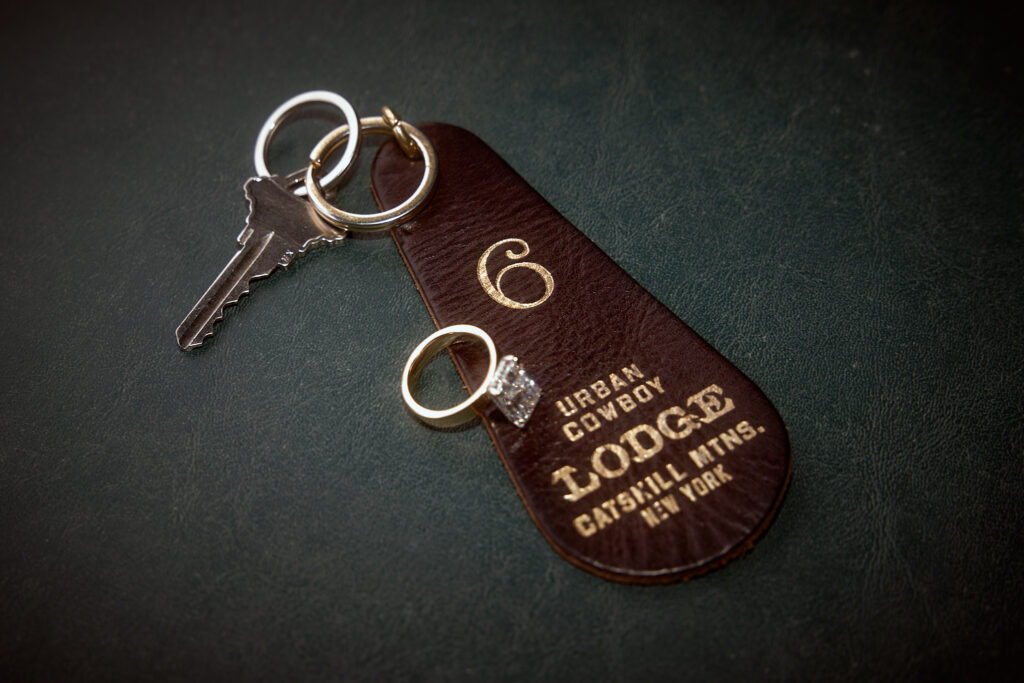
I define a wedding flat lay as a styled photograph of small items from the day, arranged and shot from directly above on a flat surface.
In flat-lay wedding coverage, I typically photograph rings, invitations, shoes, and other personal details before the ceremony begins.
The image works as a visual summary, showing the textures and color choices a couple selected without needing a person in the frame.
Unlike candid coverage later in the day, this shot is planned and arranged rather than caught in motion. It gives couples a single image that ties their individual details into a cohesive photograph.
Key Takeaways
- A wedding flat lay is a styled, overhead photo of items such as rings and invitations, taken before the ceremony.
- Common items include the wedding ring, the invitation suite, and personal pieces such as a vow book.
- Soft window light and a true overhead angle keep the shot clean and undistorted.
- Flat lays are usually shot during getting-ready and take fifteen to thirty minutes.
- A flat lay is optional. Details can still be photographed naturally throughout the day.
The Basics of a Wedding Flat Lay
A wedding flat-lay photo captures the small, physical details of a wedding day in a single frame. I lay items such as the wedding ring, invitation suite, and shoes on a flat surface, then photograph them directly overhead.
This method removes any competing background elements and lets these detail photos stand on their own, separate from the candid coverage later in the day.
It’s a technical setup, not a spontaneous moment, so I plan it before the day’s more unscripted photography begins.
How I Approach Wedding Flat Lay Photos
My background is in documentary and photojournalistic work, covering concerts, sports, and unscripted environments.
That experience shapes how I treat wedding flat lay photos; I still look for natural texture and asymmetry rather than a stiff, overly arranged look.
I ask couples ahead of time what items matter most to them, then build the composition around those pieces. The result reads more like a considered still life than a staged product shot.
What Belongs in a Bridal Flat Lay
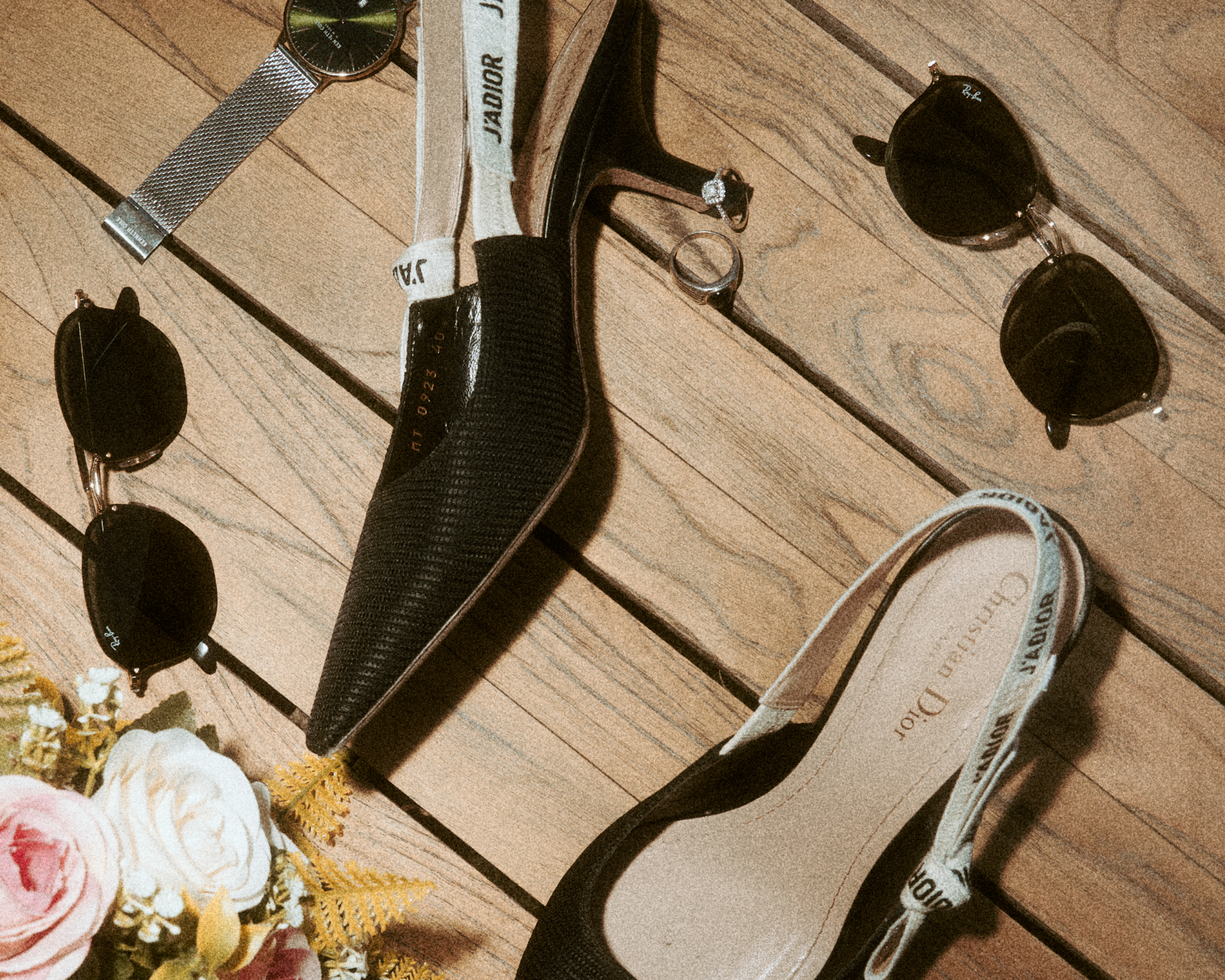
A bridal flat lay usually includes a mix of practical and sentimental items. If a couple wants to build their own flat-lay wedding photography list, I recommend starting with the invitation suite and rings, then adding personal pieces from there.
Styling a Wedding Invite Flat Lay
The wedding invite flat lay often becomes the anchor of the composition. I include the invitation, envelope, and any inserts, sometimes with a wax seal or calligraphy details if the couple used them. I position these pieces first, then build outward with smaller items like rings or florals.
My Flat Lay Photography Wedding Kit
My flat lay photography wedding kit includes a few styling mats, a small collection of ring boxes, and clips to hold fabric or ribbon in place.
I also carry a reflector to redirect light when a room doesn’t have enough natural light from windows. None of these tools are complicated. They help me work quickly and consistently from one wedding to the next.
Choosing a Wedding Flat Lay Background
A wedding flat lay background should support the items, not compete with them. I often use a neutral mat, a wooden floor, or fabric from the couple’s own belongings, such as a vow book cover or table runner.
Busy patterns can pull attention away from the ring or invitation, so I keep the surface simple when the items themselves carry a lot of detail.
Light and Composition Choices
Once the items are arranged, light, angle, and composition determine whether the image reads as clean or cluttered.
Working With Available Window Light
I position the flat surface near a window whenever possible, since soft, indirect daylight is easier to work with than mixed indoor lighting.
Direct sunlight casts harsh shadows on small objects like a wedding ring or wax seal, so I turn the surface parallel to the window rather than facing it head-on.
On overcast days or in dim getting-ready rooms, I use a reflector or a small continuous light to fill in shadows without changing the color of the scene.
If the room has no usable window light at all, I move the setup to a hallway, lobby, or another space with better exposure rather than forcing the shot in poor conditions.
Keeping the Camera Angle True
A flat lay depends on a straight overhead angle, shot from directly above the arrangement. Even a slight tilt distorts the shape of rectangular items like invitations or a vow book, making the edges appear uneven.
I use a tripod with a horizontal arm or a boom attachment when one is available, since holding the camera by hand over the surface makes it harder to maintain a consistent angle.
When no tripod is on hand, I shoot from a step stool or chair to get high enough for a clean, level frame.
Layering, Negative Space, and Color
I layer items by size, placing larger pieces, like the invitation suite, first and smaller details, such as rings or jewelry, on top of or beside them. Leaving open space around the arrangement keeps the photo from feeling crowded.
I also pay attention to color balance, since too many competing tones can make the image feel busy instead of intentional.
Using Props to Add Stability and Texture
Small props help hold an arrangement together, both visually and physically.
I keep ribbon, small dishes, and a few neutral fabric pieces on hand to fill gaps between items or add texture around a ring box.
On surfaces with any air movement, such as near an open window or door, I use these props to weigh down lightweight items, like ribbon or paper, so they stay in place during the shot.
Common Flat Lay Mistakes to Avoid
The most common flat lay mistakes I see involve overcrowding the frame or mixing too many textures at once. Shadows from uneven lighting are another issue, especially when items sit too close to a single light source.
I also avoid tilting the camera off the true overhead angle, since even a slight tilt distorts the shape of rectangular items like invitations or a vow book.
Flat Lay Photography Wedding Ideas to Try
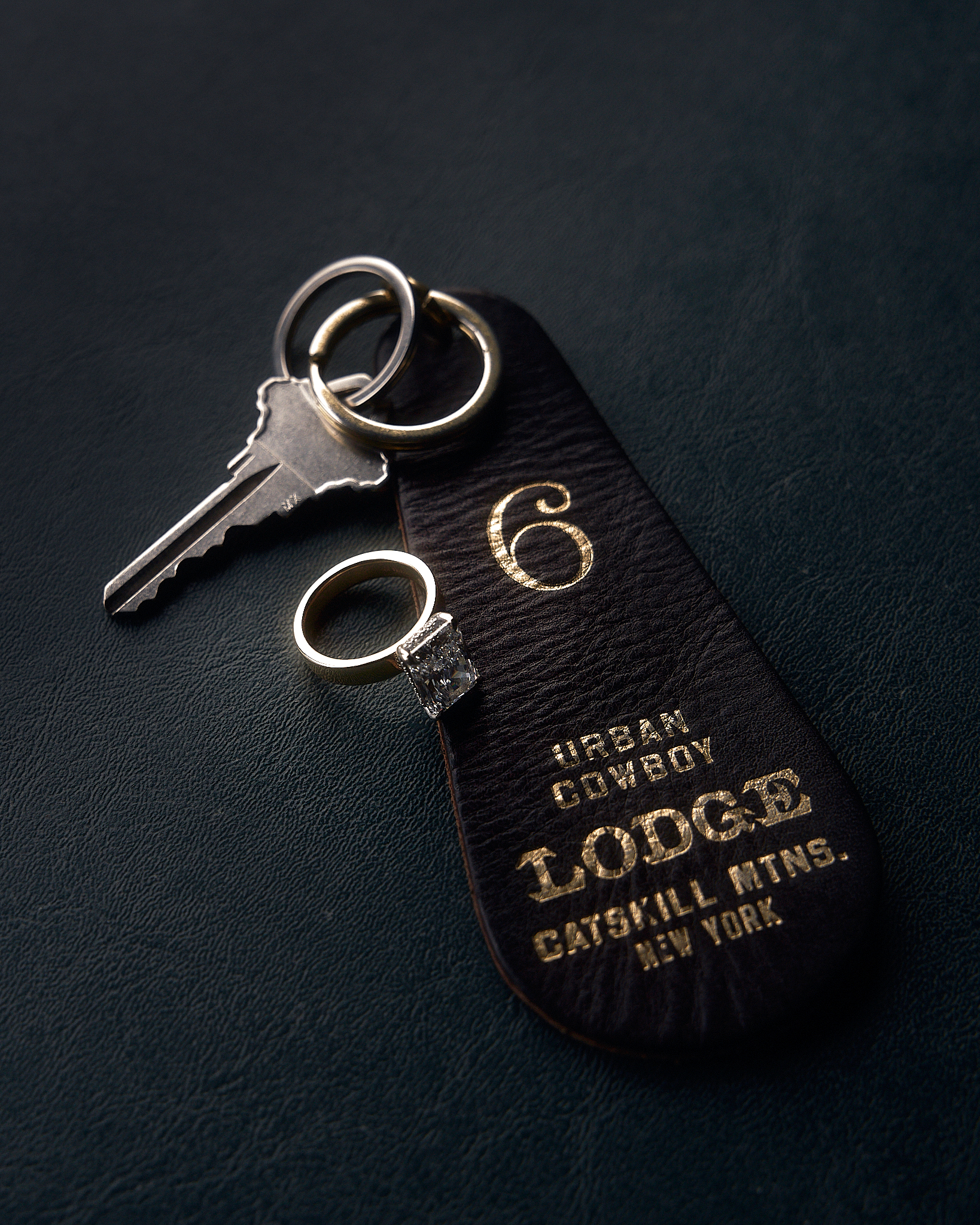
Beyond the standard set of items, a few wedding flat lay ideas can add more personality to the shot.
Personal and Sentimental Items
I sometimes include a vow book, a family heirloom, or handwritten notes alongside the more expected pieces like rings and invitations.
These personal and sentimental items give the photo more context about the couple, not just the day’s logistics.
Regional or Seasonal Touches
Seasonal elements, such as specific flowers or fabrics tied to the venue, can also be incorporated into the frame.
These regional or seasonal touches connect the flat lay to the specific time and place of the wedding, rather than making it feel generic.
Frequently Asked Questions
How long does a wedding flat lay take?
Most flat lay setups take between fifteen and thirty minutes, depending on the number of items and the available light.
What items go in a wedding flat lay?
Common items include the wedding ring, invitation suite, shoes, and sentimental pieces such as a vow book or a handwritten note.
Do I need a flat lay at my wedding?
No. A flat lay is optional. If a couple doesn’t set items aside, I still photograph details naturally throughout the day.