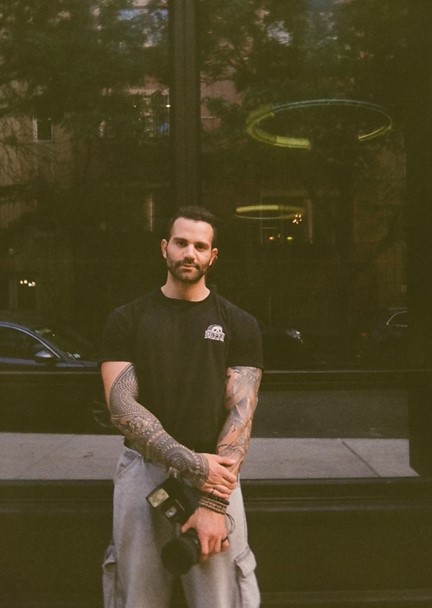


Every working photographer develops a kit through trial and error and hard-won experience.
The wedding photography accessories I rely on today reflect years of shooting across documentary, concert, and sports environments, each one teaching me something about what gear actually performs under pressure.
This article outlines the equipment I carry to every wedding job, how each item performs under real-world conditions, and why certain choices matter more than others for candid and documentary coverage.
The right wedding photography gear starts with a clear understanding of shooting style.
Key Takeaways
- Build your gear list around how you shoot, not around what other photographers carry.
- A dual-camera harness distributes weight evenly and keeps both bodies accessible across a full wedding day.
- Dual card slots plus an external SSD create two independent backups before any card is reformatted.
- A compact, wearable kit reduces your visible presence and produces better candid shots.
- Small utility items like gaff tape, a tide pen, and super glue belong in every wedding photography bag.
What Wedding Photography Equipment Do You Actually Need?
How shooting style shapes your gear list
Not every photographer needs the same kit. The wedding photography equipment that suits a controlled, posed workflow differs significantly from that required for documentary coverage.
I need to move fast, stay light, and work across unpredictable lighting conditions without stopping to reconfigure. That constraint shapes every item I carry.
Camera setup for wedding photography: body, lenses, and support
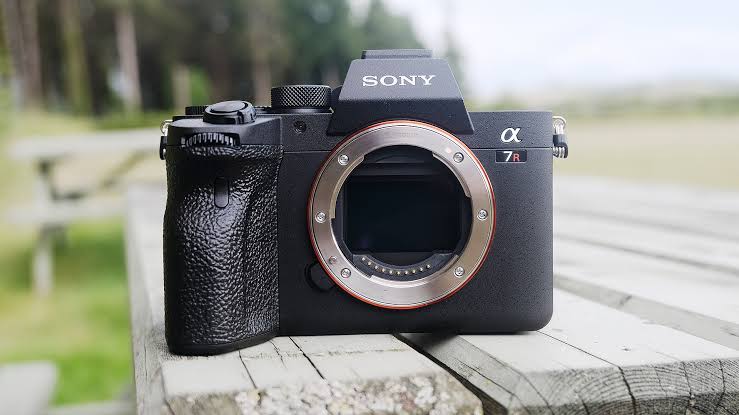
I shoot with a Sony A7RIV as my primary camera body and a Leica M240 as my second.
On film, I carry a Nikon F3. Each body serves a specific purpose – the Sony for resolution and reliability, the Leica for its rendering in available light, the Nikon for the texture film brings to certain moments.
My primary prime lenses are 35mm and 85mm. A 50mm macro filter replaces a dedicated macro lens for detail and ring shots, keeping the bag lighter without losing capability.
You may also want to read: Best Lens for Wedding Photography: A Working Guide
The Best Wedding Photography Accessories by Category
Carrying systems for dual-camera setups
Shooting two camera bodies simultaneously requires a dual harness, not a neck strap.
A leather dual-camera harness distributes weight across both shoulders and keeps both bodies within reach at all times.
Over a ten-hour wedding day, that weight distribution is a game-changer for endurance and mobility.
It also keeps both hands free between shots, which matters when repositioning quickly through a crowd.
Camera bags and cases for wedding coverage
For local jobs, a structured camera bag with fast-access compartments handles the kit well.
For travel and destination work, I use a hard-shell rolling case with a customizable foam interior.
In both situations, the priority is the same: immediate access. Searching through a bag during a first look or a candid moment costs more than time.
Flash, lighting, and off-camera accessories
Natural light is always my first choice. But dark reception halls, windowless ceremony spaces, and late-evening portraits require artificial light.
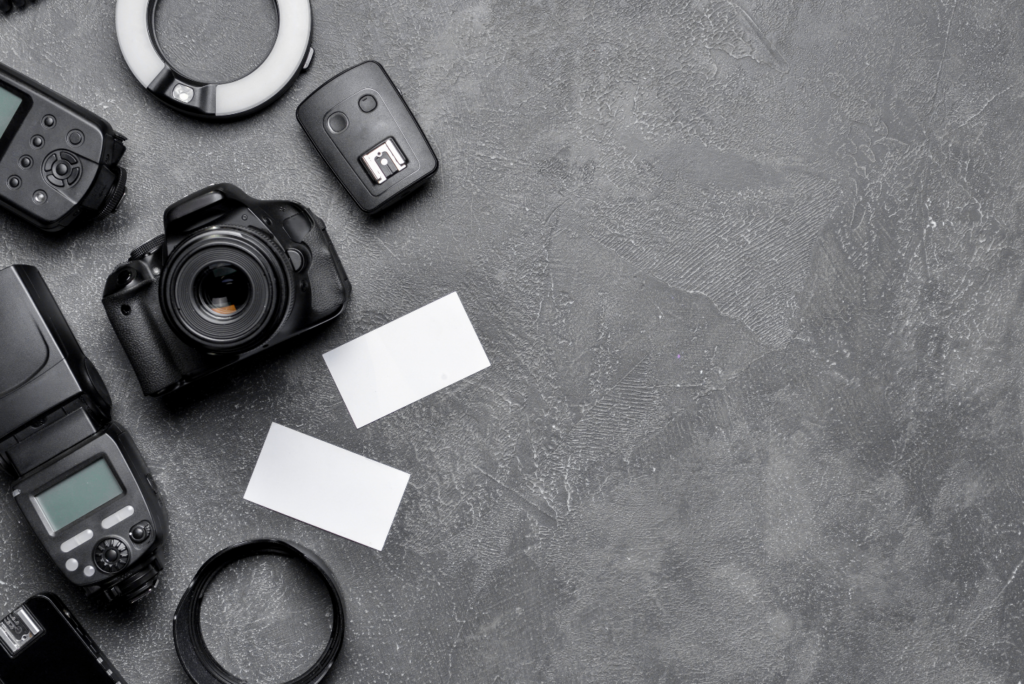
I carry one speedlight, a shoot-through umbrella, a lightweight stand, and wireless triggers.
Getting the flash off-camera gives me directional control and removes the flat quality that on-camera flash produces.
Extra batteries for the flash and triggers are non-negotiable; a power failure mid-reception is not recoverable.
Film accessories for hybrid shooters
Shooting 35mm alongside digital requires its own organization system. I use separate waxed-canvas pouches for exposed and unexposed rolls, keeping color and black-and-white film apart.
This prevents loading errors when switching between the Nikon F3 and digital bodies during coverage.
Film canisters stay in a dedicated bag compartment, separate from memory cards and extra batteries.
Memory Management and Backup on Wedding Day
Card organization systems
I use a labeled memory card case that physically separates used cards from fresh ones.
A used card goes into its slot immediately after the body is full and does not resume rotation until the gallery is delivered.
A dry-erase pen on the case marks the couple’s name and date. The system removes ambiguity from a process where errors have permanent consequences.
Field backup and redundancy
My Sony A7RIV writes simultaneously to two card slots, creating an in-camera backup from the first frame.
After the job, both cards are copied to an external SSD before either is reformatted. Cards stay intact until the final delivery is confirmed.
Two backups exist at all times between the shoot and the delivered gallery.
You may also want to read: Best Camera for Wedding Photography: What I Use and Why
Small Accessories That Matter on Long Days
Lens cleaning, power, and personal readiness
A rocket blower and lens wipes handle dust and smudges without interrupting coverage. A compact power bank keeps essential devices charged throughout the day.
I also carry gaff tape, a tide pen, and super glue – not for the cameras, but because something on a wedding day always needs attention.
Being prepared for those moments is part of professional coverage.
Professional photography equipment checklist by category
Below is the wedding photography must-haves list
- Cameras: primary digital body, secondary digital body, film body
- Lenses: 35mm prime lens, 85mm prime lens, 50mm macro filter
- Power: extra batteries per body, spare flash batteries, power bank
- Lighting: speedlight, wireless triggers, umbrella, light stand
- Carrying: dual-camera harness, camera bag, or hard-shell travel case
- Memory: formatted memory cards, labeled card case, external SSD
- Maintenance: rocket blower, lens wipes, gaff tape, tide pen, super glue
Candid photography equipment: a stripped-down field list
For pure candid photography coverage, the kit narrows to the essentials:
- one digital body
- one film body
- 35mm and 85mm lenses
- dual harness
- speedlight with triggers
- memory card case
- lens wipes
Everything else stays in the bag. When the goal is unscripted, unobtrusive documentation, every unnecessary item is a liability.
How Gear Choices Affect Documentary and Candid Coverage
Staying light and unobtrusive on the day
Visible, heavy setups change how people behave around a photographer. Guests notice, adjust, and perform rather than act naturally.
Keeping the kit compact and wearing the cameras instead of setting them down reduces that effect.
The best candid shots happen when people forget a photographer is in the room.
When creative accessories serve the work
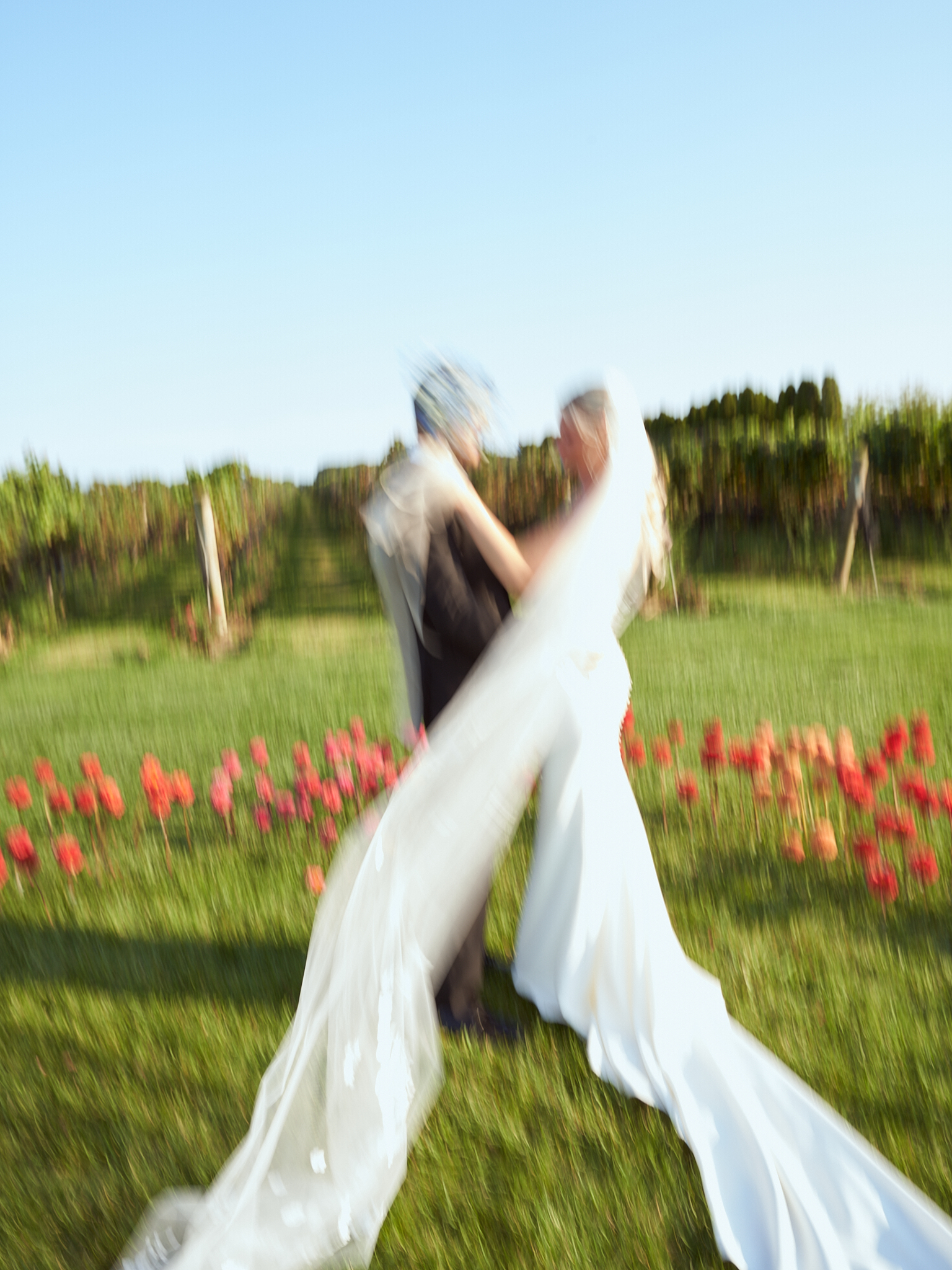
Film, a Polaroid camera, or a Sony Handycam each introduces a visual language that digital alone does not replicate.
These tools are not props; they are functional additions that change the character of an image. They belong in the bag when the shooting context genuinely calls for them, not as a default addition to every job.