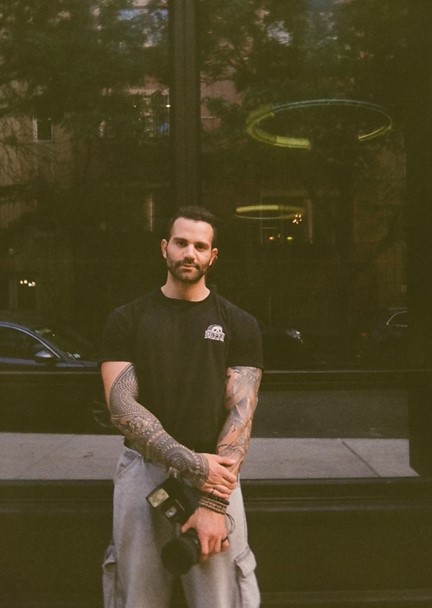


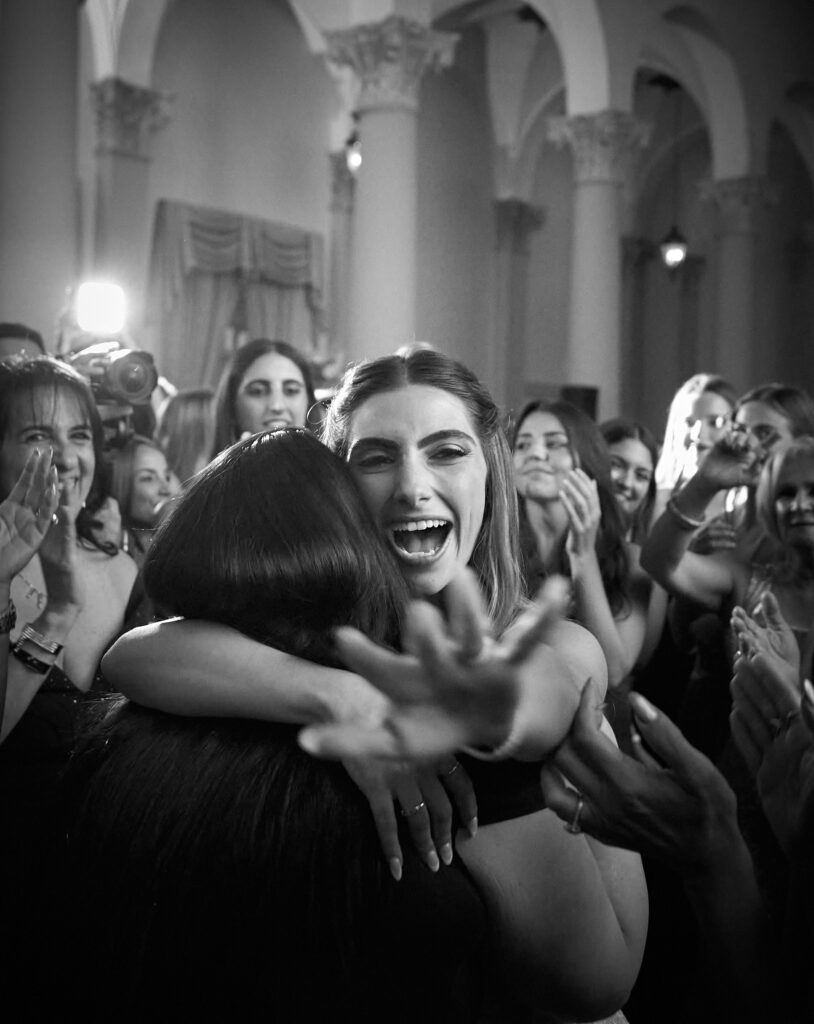
The approach behind photojournalistic wedding photography draws on documentary journalism rather than traditional portraiture.
It focuses on observing and recording events as they happen, without directing subjects or staging moments.
A photographer working in this style follows the flow of the day, stays unobtrusive, and looks for moments that carry meaning on their own.
This article covers the style, how it compares to other approaches, and what to look for when choosing a photographer.
Key Takeaways
- Photojournalistic wedding photography documents real moments without posing subjects or staging scenes.
- Unlike candid photography, every photojournalistic image must tell a story, not just capture an unposed moment.
- The style follows three principles: candid, contextual, and chronological coverage across the full wedding day.
- A strong documentary portfolio shows variety across lighting conditions, emotional registers, and all stages of the day.
- Experience in concerts and sports directly shapes how a documentary wedding photographer anticipates moments and handles difficult light.
What Is Wedding Photojournalism?
Wedding photojournalism is a photography approach rooted in documentary journalism. I observe and record events as they unfold, without posing subjects or scripting moments.
The goal is to build a visual narrative of the day through images that reflect what actually happened, not just poses
How It Differs from Candid and Traditional Photography
Candid photography means the subject is not posed. Wedding photojournalism goes further: it requires the image to tell a story, not just capture an unposed moment.
A candid photo records what is in front of the lens. A photojournalistic image considers context, timing, and meaning within the frame.
Traditional wedding photography relies on direction and posing to produce consistent, formal results.
My approach to wedding coverage sits on the opposite end of that spectrum, prioritizing real events over arranged compositions.
The 3 C’s: Candid, Contextual, Chronological
Three principles define the wedding photojournalism style: candid, contextual, and chronological.
Candid means the subjects are not performing for the camera. Contextual means the image includes enough of the environment to communicate what is happening.
Chronological means the full body of work follows the actual sequence of the day, from preparation through reception.
Photojournalistic vs. Traditional vs. Editorial Styles
Among the main wedding photography styles, photojournalistic and traditional sit at opposite ends of the spectrum.
Traditional wedding photography is built around direction: the photographer arranges subjects, controls lighting, and produces predictable formal images.
Editorial wedding photography borrows from fashion and magazine work, using styled settings and deliberate composition.
I work in the photojournalistic mode, which means I document what is present rather than constructing what the image should look like.
Photojournalistic Wedding Photography Style: Core Characteristics
The wedding photojournalism style is defined as much by what the photographer does not do as by what they do.
I do not direct expressions, rearrange people, or wait for a pause in events to take a photo.
I work continuously, reading the room and moving through the space to stay in position for moments before they happen.
Anticipation, Timing, and the Decisive Moment
Henri Cartier-Bresson described the decisive moment as the simultaneous recognition of an event’s significance and the precise visual form that gives it expression.
That concept applies directly to how I work at weddings. I watch for shifts in energy, body language, and group dynamics.
The goal is to be in position before the moment resolves, not after.
Working Across Any Environment
Staying unobtrusive is a practical requirement, not a preference.
When guests repeatedly notice the photographer, they adjust their behavior.
I dress to match the event, move quietly, and use focal lengths that allow distance when closeness would change the dynamic.
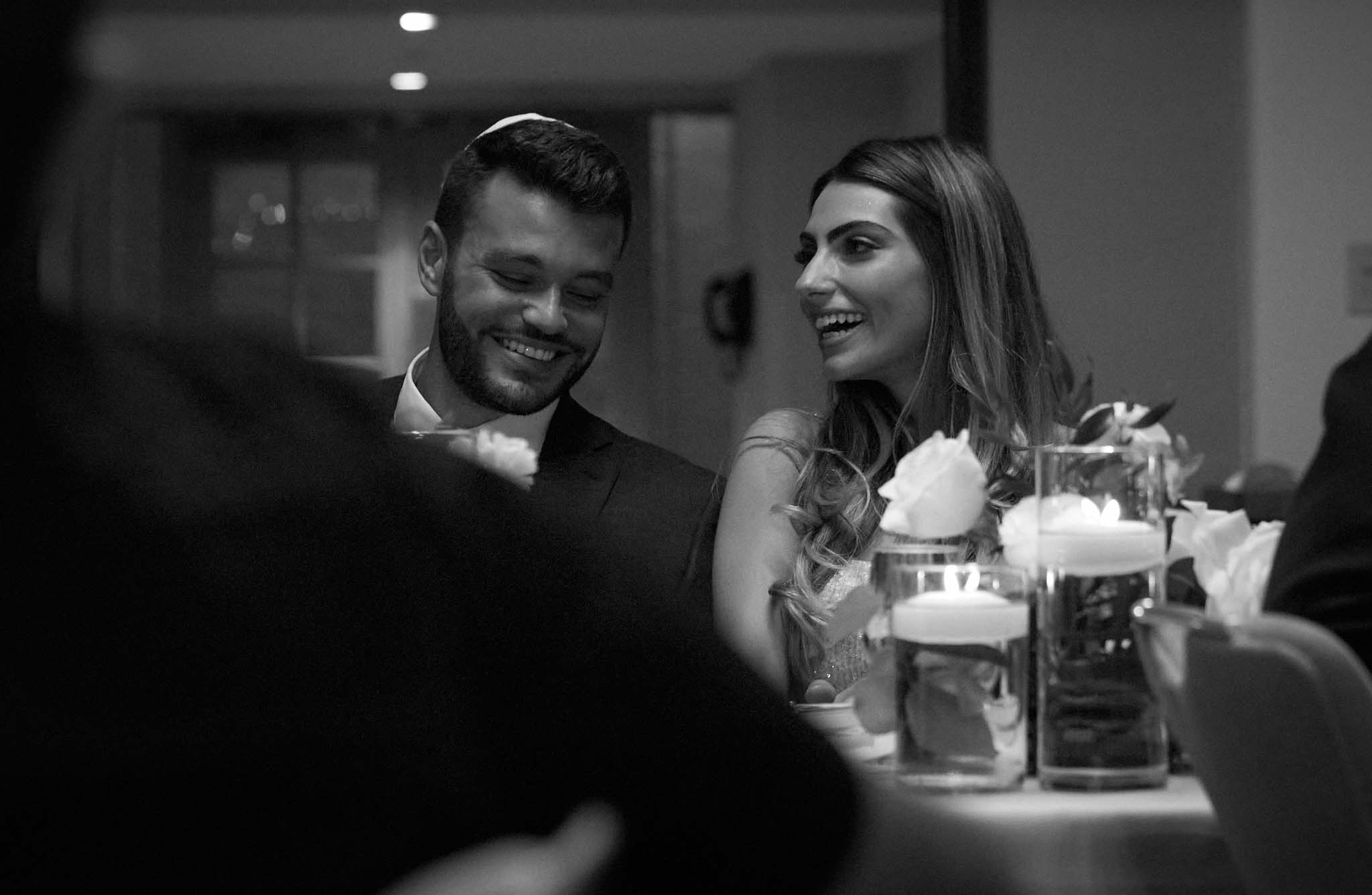
Lighting conditions also affect this. In low-light reception spaces, I use fast primes and available light rather than flash, which would draw attention and change the atmosphere.
Documentary Style Wedding Photography and Natural Direction
Documentary-style photography wedding coverage does not mean zero interaction. For portrait segments,
I give minimal direction, enough to bring two people into the same frame without telling them how to feel.
The distinction is between arranging a scene and allowing one to develop. Most of what I photograph at a wedding requires no direction at all.
How Concert and Sports Experience Shapes Wedding Coverage
My background includes concert photography, sports coverage, and documentary work in unscripted environments.
These contexts require fast decisions, tolerance for difficult light, and the ability to read crowd movement.
A wedding reception operates similarly: the energy shifts quickly, people move unpredictably, and the light is rarely ideal.
That experience shapes how I move through a wedding day and what I look for at each stage of coverage.
Photojournalistic Wedding Photography Examples: The Full Day
Photojournalistic wedding photos capture the entire day in sequence, not a set of highlight moments.
Each stage of the day produces a different type of image, and all of them contribute to the final visual record.
Getting Ready and Pre-Ceremony
The getting-ready period is one of the most documentary-rich parts of the day.
Candid moments between family members, quiet preparation, and unscripted interactions happen very often.
Ceremony and In-Between Moments
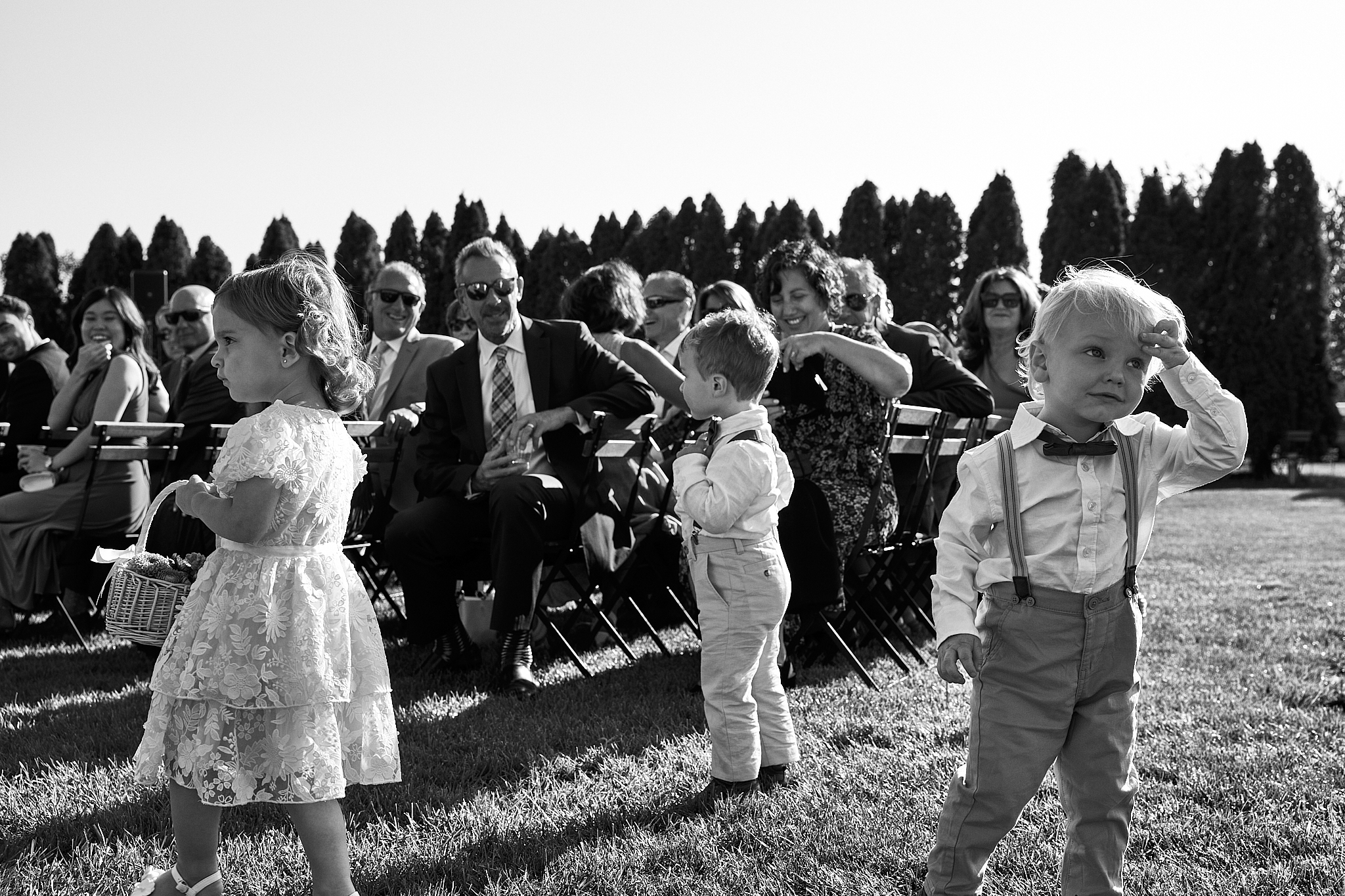
During the ceremony, I work from multiple positions to cover reactions across the room, not just the couple at the altar.
The in-between moments, a hand on a shoulder, a look exchanged between guests, a child losing interest, are often the images that hold the most meaning over time.
You may also be interested in: Wedding Photography Poses: What Actually Works
Reception: Movement, Energy, and Candid Coverage
The reception produces the most physically demanding coverage of the day.
I move constantly, shifting between wide frames that establish the environment and tight frames that isolate specific moments.
Crowd movement, changing light, and overlapping events require constant adjustment.
How the Approach Shifts Across Different Event Types
The same documentary principles apply across event types, but the environment changes.
Bar mitzvahs involve large groups, high energy, and dense programming. Concerts and sports events require fast tracking and tolerance for unpredictable light. Each setting demands a different physical approach, but the underlying method stays the same: observe, anticipate, document.
Tips for Hiring a Wedding Photographer Photojournalist
Evaluating a wedding photographer or photojournalist requires looking beyond surface-level aesthetics.
Portfolio quality, working method, and alignment with how you want your day documented all matter.
Questions to Ask Before You Book
Ask the photographer how they handle low-light environments and what equipment they use. Ask how they approach portrait segments and how much direction they give.
Ask to see a full wedding gallery, not a curated highlight set, so you can evaluate the range and consistency of their documentary coverage throughout the day.
Photojournalistic Wedding Photography Near Me: Working in New York
I work primarily in New York and New Jersey, covering weddings, elopements, bar mitzvahs, and events across the region.
New York weddings present a specific set of conditions: dense venues, variable light, multilayered timelines, and large guest counts.
The documentary approach I bring from concert and sports photography translates directly to these environments.
Momento Lehr Photography is also available for destination coverage worldwide, applying the same documentary-first method regardless of location or event type.