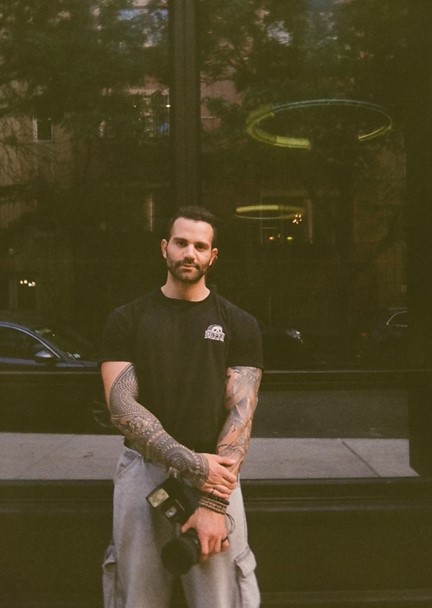


I have shot weddings with a range of camera systems over the years – digital bodies, a rangefinder, and film cameras.
Choosing the best camera for wedding photography comes down to three practical factors: low-light performance, autofocus reliability, and the ability to work across unpredictable conditions without interruption.
This article covers what to look for in a wedding camera, which bodies I use and recommend, and how I build a kit for different coverage needs and budgets.
Key Takeaways
- Full frame sensors, reliable autofocus, and low-light performance matter more than megapixel count or flagship specs on a wedding day.
- A backup body with overlapping lens compatibility is the baseline professional kit configuration, not an optional upgrade.
- Sony, Nikon, and Canon mirrorless systems all perform at a professional level – the right choice depends on the lens system already in use.
- Film cameras like the Nikon F3 work as a selective secondary layer during portraits and getting-ready moments, not as a primary system.
- Prioritize lens quality over body upgrades; an older full-frame body with a sharp prime outperforms a newer body with a slow zoom in most wedding conditions.
What Makes a Good Camera for Wedding Photography?
A good camera for wedding photography does not need to be the newest or most expensive body available. It needs to be reliable, fast, and capable in conditions that shift without warning.
Full Frame Sensors and Why They Matter
Full-frame sensors collect more light than crop sensors. On a wedding day, that difference shows up in dimly lit ceremony spaces, candlelit receptions, and late-evening portraits.
A crop sensor can produce clean images in good light, but under pressure, it introduces noise more quickly. For consistent results across unpredictable lighting conditions, full frame is the professional standard.
Resolution, Autofocus, and Low-Light Performance
Resolution between 24 and 45 megapixels covers the full range of professional wedding delivery. Higher-resolution bodies like the Sony A7RIV offer detail latitude for cropping and large-format output, while 24-megapixel bodies keep file sizes manageable.
Autofocus reliability matters as much as resolution – subject tracking that holds on a moving person in a dark reception hall separates cameras that work from ones that produce uncertainty at the wrong moment.
Why Backup Bodies Are Non-Negotiable
A wedding cannot be reshot. Running a single body is a risk no working photographer should accept on a paid job.
I run a three-body kit specifically to maintain coverage continuity regardless of what any single piece of equipment does on the day.
Best Digital Wedding Cameras by Brand in 2026
These bodies are chosen based on direct shooting experience across weddings, concerts, and unscripted documentary environments.
When evaluating the best camera for shooting weddings, real-world performance under low light and continuous shooting pressure matters more than benchmark results.
Sony A7RIV
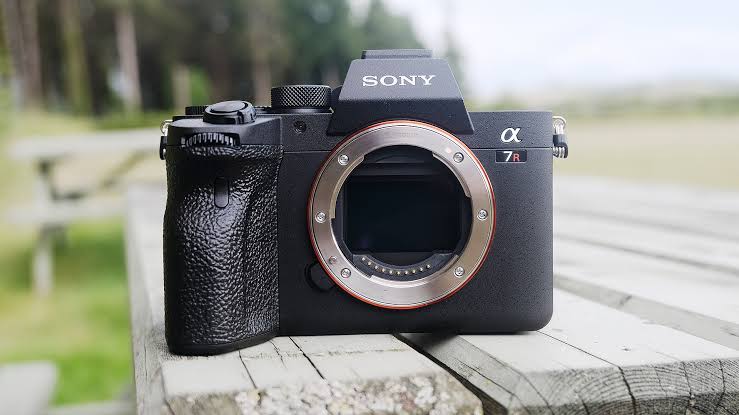
The Sony A7RIV is my primary digital body at Momento Lehr Photography.
At 61 megapixels, it produces files with significant detail latitude – useful for documentary coverage, where cropping within the frame recovers moments that could not be physically approached.
I pair it with fast prime lenses to manage its high-resolution sensor in low light.
Sony A7 IV
The Sony A7 IV delivers 33 megapixels, reliable subject tracking, and strong battery life for a full wedding day.
For photographers building a kit around Sony glass, I highly recommend it as a primary or secondary body.
Nikon Z6 III
The Nikon Z6 III offers 24.5 megapixels, strong low-light performance, and clean handling of fast movement.
Photographers moving from DSLR Nikon systems will find the transition to mirrorless straightforward.
Canon EOS R6 Mark III
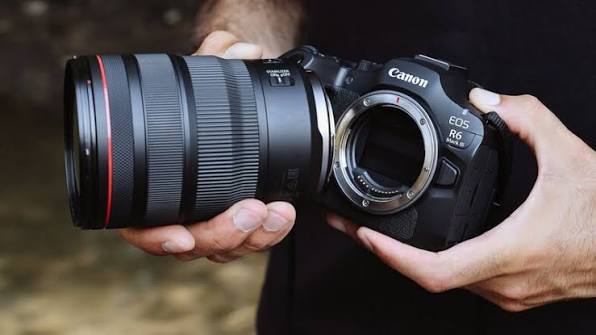
The Canon EOS R6 Mark III offers 40-frame-per-second burst shooting and consistent color science that requires less post-processing.
At 32.5 megapixels, it sits comfortably in the working resolution range for wedding cameras.
Which Camera Is Best for a Wedding
The best camera for a wedding is the one built around the lens system already in use.
Sony suits photographers who prioritize resolution and tracking. Nikon suits those who prioritize low-light output. Canon suits those who want burst speed and color consistency.
Film Cameras for Wedding Photography
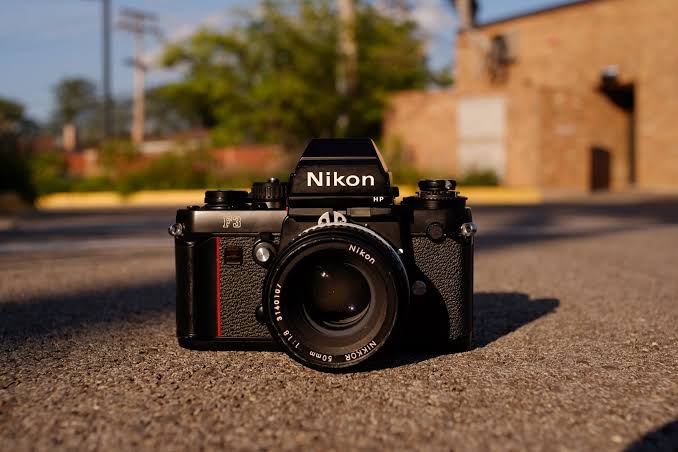
Film is not a replacement for digital coverage. I bring my Nikon F3 to weddings as a secondary layer, used selectively for portraits and getting-ready moments where the pace allows for something more deliberate.
35mm Bodies for Candids and Portraits
The Nikon F3 is a fully manual 35mm SLR with interchangeable lenses and a build quality that holds up under continuous professional use.
I use it with fast prime lenses for portraits, where the slower process of shooting film changes how I move through a space.
Medium Format and Film Stock Choices
For film stock, Kodak Portra is the consistent professional choice for portraits and skin tones. Kodak Gold suits warmer, higher-contrast scenes.
Cinestill holds up in low-light situations where its rendering fits the environment.
Best Camera for Wedding Photography and Videography
Adding video changes the camera selection in ways that are not obvious from a stills-only perspective.
I use a Sony Handycam as a dedicated video capture device, which entirely removes thermal and autofocus pressure from the primary stills body.
What Changes When You Add Video
Video requires stable autofocus during recording, reliable thermal management over long clips, and clean footage at high ISO.
A body that handles stills without issue may overheat during a ceremony recording or lose tracking during a first dance.
Stills and Video Bodies Worth Considering
The Sony A7 IV is the most practical dual-use body in this comparison. The Canon EOS R6 Mark III also performs well for video, with Canon’s color science reducing grading time in post.
Best Camera for Wedding Photography on a Low Budget
Entry-level does not mean inadequate.
Spend on glass before spending on body – a mid-range full-frame body paired with a sharp prime lens outperforms a newer body with a slow zoom in most wedding conditions.
What to Prioritize When Budget Is a Factor
An older full-frame body, bought used, often outperforms a new crop-sensor body at the same price point. Autofocus reliability matters more than resolution at any budget level.
Entry-Level Bodies That Hold Up
The Sony A7 III remains a strong used-market option for photographers entering wedding work.
The Nikon Z5 II covers the full-frame requirement at a lower entry price. The Canon EOS R8 brings reliable autofocus to a lighter, more affordable body.
How I Build My Kit for a Wedding Day
Running Digital and Film Together
I shoot digital as the primary coverage and load the Nikon F3 selectively during portraits and detail work.
Digital handles everything that moves fast or requires autofocus in difficult light. The two formats cover different registers of the same day without competing.
Primary Body, Backup Body, and Lens Setup
My primary body, the Sony A7RIV, carries a 35mm or 50mm prime. A secondary body carries a 70 to 200mm zoom for ceremony coverage.
The Leica M240 – a digital rangefinder – serves as a third body for quieter, observational coverage where its compact form changes how people respond to the camera.
Common Questions About Wedding Cameras
What Camera Do Most Wedding Photographers Use?
Sony, Canon, and Nikon mirrorless bodies dominate professional wedding photography. Sony A7-series bodies have the largest share among photographers who transitioned from DSLR systems over the last five years.
What Camera Should a Beginner Use for Wedding Photography?
A used Sony A7 III or Canon EOS R8 is a practical starting point. Both offer full-frame sensors, reliable autofocus, and enough resolution for professional delivery without requiring a current flagship body.
Does Megapixel Count Matter for Weddings?
Not beyond a practical threshold.
For most working wedding photographers, the range between 24 and 33 megapixels represents the most practical balance between output quality and workflow efficiency.
Do I Need the Latest Camera Body?
No. Bodies from three to five years ago handle wedding photography without meaningful limitation. Upgrading makes sense when a specific capability gap is affecting the work, not as a routine response to a new release cycle.